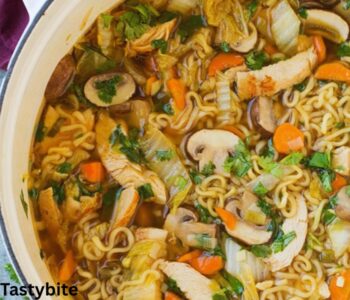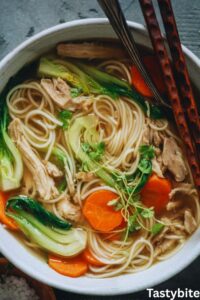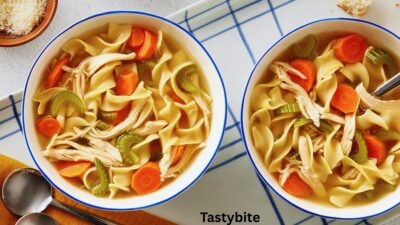
There is something about a big bowl of Chinese chicken noodle soup that just hits differently on chilly days. The first time I truly fell in love with this dish was at a small Chinese restaurant tucked in a corner of my neighborhood. The broth was so flavorful, so umami rich, that I could not stop thinking about it. I started experimenting in my own kitchen, calling my friends who had grown up in China for their mom’s tips, learning about whole chicken slow simmers, fresh aromatics, and secret seasonings that transform a simple soup base into something deeply hearty and delectable.
What fascinated me most was how cultures around the world each have their own version of chicken soup, but the authentic Chinese soup recipes carry a completely different depth built on spices like ginger, cumin, and Sichuan peppercorns that the American style simply does not replicate.
What makes this Chinese chicken noodle soup recipe truly special is its simplicity and soothing nature: noodles, vegetables, and protein all coming together in one pot, making it a perfect all in one dish using simple ingredients that are easy to make even on your busiest days. Living at a faster pace, I personally skip making broth from scratch on most days and instead build a deeply flavorful base using packaged broth loaded with aromatics and secret seasonings and the result is still a wonderful taste that is ready in just 10 minutes.
At only 352 calories a bowl, this chicken noodle soup, Chinese style, is a terrific fridge-forage food, a traditional home remedy for colds, and one of those favorite dishes perfect for warming up on cold days, for comfort when feeling under the weather, or simply when you crave a quick, satisfying lunch at noon with endless customizing ideas to make it your own.
A Classic Chinese Chicken Noodle Soup Made Easy:
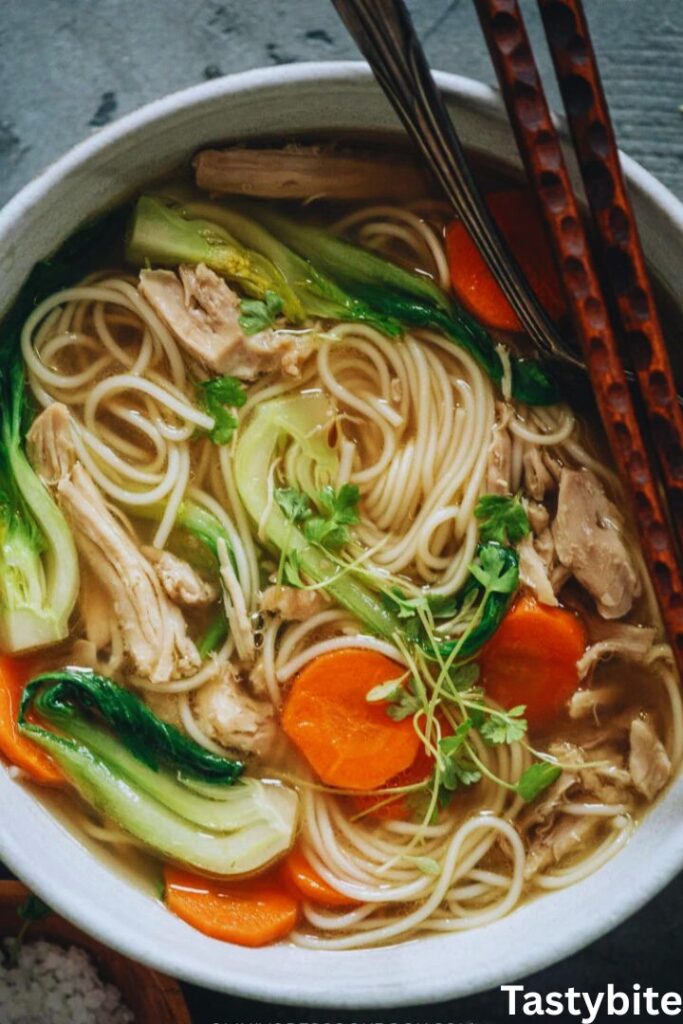
If there is one classic dish that never gets old in my kitchen, it is Chinese chicken noodle soup, known in Chinese as Jī Tāng Miàn (鸡汤面). Unlike the bold and tangy flavor-bursting dishes on this blog, like Hot and Sour Noodles, this Chinese noodle soup is the opposite: it is clean, light, and calming in every sip, built on a clear broth that feels like a warm hug in a bowl.
For this traditional Chinese chicken noodle soup recipe, I have taken a simpler approach that does not ask you to plan a day instead, the magic comes from soaking mushrooms for extra flavor, which only adds passive soaking time to the overall procedure, meaning you can have this complete noodle soup with thin wheat noodles, shredded chicken, and leafy greens on the table in just 40 minutes from start to finish. The leftovers also keep beautifully, making this recipe one of the most practical and rewarding ones to try in your home kitchen.
Why You’ll Love This Fast Chinese Noodle Soup:
You’re definitely gonna love this recipe because:
- Living in the real world where time is short, this Chinese Noodle Soup has become one of my most trusted back pocket recipes.
- This easy Chinese chicken noodle soup recipe is incredibly quick to make no need for a chef to cook all day to get that deep, classic flavor.
- This simple Chinese chicken noodle soup recipe is so versatile that it works equally well for quick dinners and lazy weekends, a truly practical homemade Chinese chicken noodle soup recipe for real life.
- Every time I make this healthy Chinese chicken noodle soup recipe, it delivers the same comforting warmth that keeps you coming back for more.
Chinese Chicken Noodle Soup Ingredients & Substitutes:
Here is the simple and short list of What Goes Into This Soup and How to Swap It Your Way:
Chicken
- Bone-in chicken thighs or chicken legs are the best choice bones and skin release natural richness into the broth as they simmer, with skin simply discarded after cooking.
- Chicken breasts suit a lean meat diet, and a whole chicken works great for maximum flavor from every chicken piece.
Aromatics for Soup Base
- Ginger, garlic, scallions, cumin seeds, Sichuan peppercorns, bay leaf, and cilantro build deep aroma and eliminate gamey taste from the meat.
- Shaoxing rice wine adds greater flavor and unmistakable depth to the chicken broth.
Mushrooms
- Dried shiitake mushrooms deliver a rich fragrance and deep umami taste. Check my shiitake guide for everything about this magic ingredient.
- Fresh shiitake and other mushrooms are great substitutes and blend beautifully into the broth.
Noodles
- Thin plain wheat noodles also known as Guà Miàn (挂面) are my personal go to.
- Chinese chicken noodle soup with egg noodles, ramen noodles, udon noodles, or rice noodles all work perfectly.
- Shop-bought dried noodles are a quick solution, while homemade Easy Knife Cut Noodles or Hand Pulled Noodles from scratch elevate the bowl entirely.
Vegetables
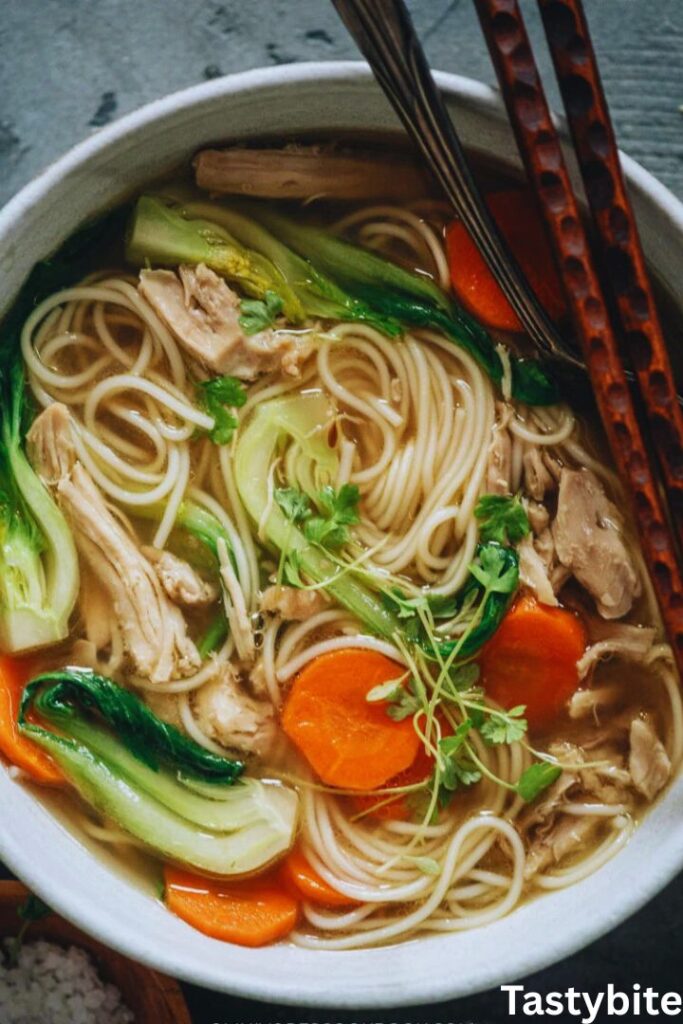
- Chinese chicken noodle soup with bok choy is my favorite, but spinach, Chinese broccoli, carrots, daikon, and winter melon in a thin slice all add great natural taste.
- All leafy greens cook quickly without overpowering the bowl.
Seasonings
- Light soy sauce, white pepper, salt, and sesame oil are the essential Chinese pantry condiments that tie the broth together.
- A drizzle of chili oil gives an extra kick for a bolder palate.
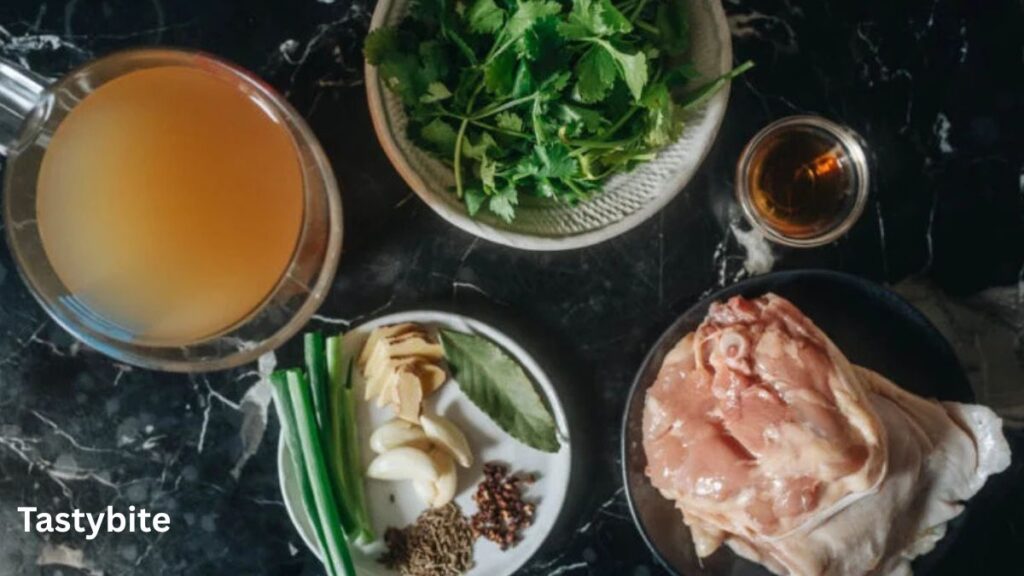
Best Noodles for Chinese Chicken Noodle Soup:
Almost any type of wheat noodles will work well in this recipe, which is one of the things I love most about it. There is real freedom in that. Personally, I personally prefer a thin type because it sits so naturally in a light broth, soaking up all that deep flavor without weighing the bowl down. My top picks are Japanese somen noodles or Chinese thin noodles, also known as Gua Mian (挂面) they slide into the broth beautifully and make every spoonful feel effortless. That said, if you enjoy a chewier texture, going with thicker noodles is a perfectly solid choice that holds up well in the broth and gives the bowl a heartier, more substantial feel.
Essential Seasonings for Chinese Soup Broth:
The Seasonings That Make or Break Your Chinese Soup Broth:
- A great Chinese soup broth is built on basic essential flavourings that work together missing even one leaves your Asian noodle soup feeling flat and missing something.
- Starting with a solid foundation, store bought chicken stock from brands like Campbells or Continental works perfectly on busy days, while homemade chicken stock delivers the deepest results, always low sodium to avoid an overly salty taste.
- For soy sauce, light soy sauce is the best pick over all purpose soy sauce, dark soy sauce, or sweet soy sauce. Just a touch keeps the clear broth clean and helps balance flavours without adding intense flavour.
- Chinese cooking wine is a key ingredient just 1.5 tablespoons adds serious complexity and depth of flavour to this chicken broth noodle soup if you need a substitute, dry sherry, mirin, or cooking sake all work well, and oyster sauce is a great non alcoholic sub that also delivers extra umami.
- Always smash garlic and slice ginger so they infuse broth with fresh flavours and can be removed easily, use whole garlic to pick out later, or grate on a fine grater into little bits if you prefer them fully dissolved into the chicken broth stock.
- A drizzle of sesame oil and a small pinch of sugar at the end balance flavours and give the chicken broth that final layer of depth that makes this recipe taste anything but ordinary.
How to Make Chinese Chicken Noodle Soup step-by-step:
Here is the step-by-step guide that shows How to Make Chinese Chicken Noodle Soup Step by Step:
Step 1: Soak the Mushrooms
If using mushrooms, place dried shiitake mushrooms in a bowl and cover fully with water soak overnight or for at least 4 hours until soft and plump. Carefully pour the soaking water into a separate container, leaving behind any residue settled at the bowl bottom this liquid goes straight into your broth later for extra depth.
Step 2: Sear the Chicken
Add 1 tablespoon of oil into a 3.5 qt pot or dutch oven over medium heat. Place chicken thighs, chicken legs, or any chicken pieces into the pot and cook completely undisturbed for 4 to 5 minutes until the bottom turns light golden, then flip and cook the other side for another 3 minutes. If using rotisserie chicken or leftover chicken, skip this step entirely to save time.
Step 3: Build the Soup Base Into the same pot
Add 3 cloves of smashed garlic, 4 slices of ginger, white part scallions from 2 stalks, half a teaspoon of cumin, half a teaspoon of Sichuan peppercorns, 2 bay leaves, and a small handful of cilantro. Let the spices cook for 1 minute until you can smell their fragrance, then pour in 1.5 tablespoons of Shaoxing rice wine and let it cook off for 2 minutes. Now add 4 cups of stock, your rehydrated mushrooms, and the reserved soaking water stir everything together gently.
Step 4: Simmer the Broth
Turn the heat up to medium-high heat and bring everything to a full boil. Once boiling, drop to the lowest heat setting, cover with a lid, and simmer chicken for 20 minutes. In the first 5 minutes, use a spoon to skim foam that rises to the surface removing this foam keeps your broth clean and clear.
Step 5: Check and Shred the Chicken
After 20 minutes, pierce the thickest part of the chicken with a chopstick. If it slides through with no resistance, the chicken is fully cooked. Use tongs to remove chicken onto a plate and let it cool for 5 minutes. Once cool enough to handle, use two forks to pull the meat into bite sized shreds, discard chicken skin and bones and set aside the shredded chicken for assembling later. PRO TIP: properly shredded chicken absorbs broth flavor far better than large chunks.
Step 6: Strain and Season the Broth
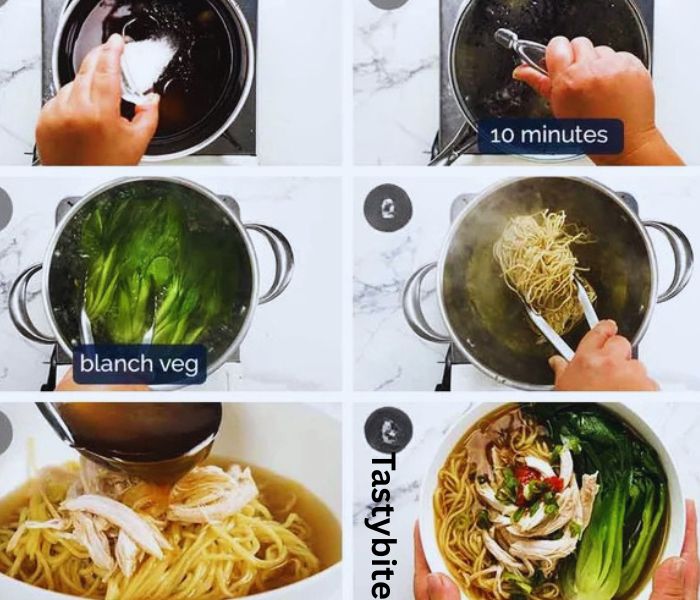
Pour the broth through a mesh colander into a clean pot to remove all solid ingredients including ginger, scallions, and whole spices. Return the clean broth to the stove over low heat and season the broth with 2 tablespoons of light soy sauce, half a teaspoon of white pepper, 1 teaspoon of sesame oil, and salt to taste, stir and adjust seasoning gradually until the flavor feels balanced and right to you.
Step 7: Cook the Vegetables
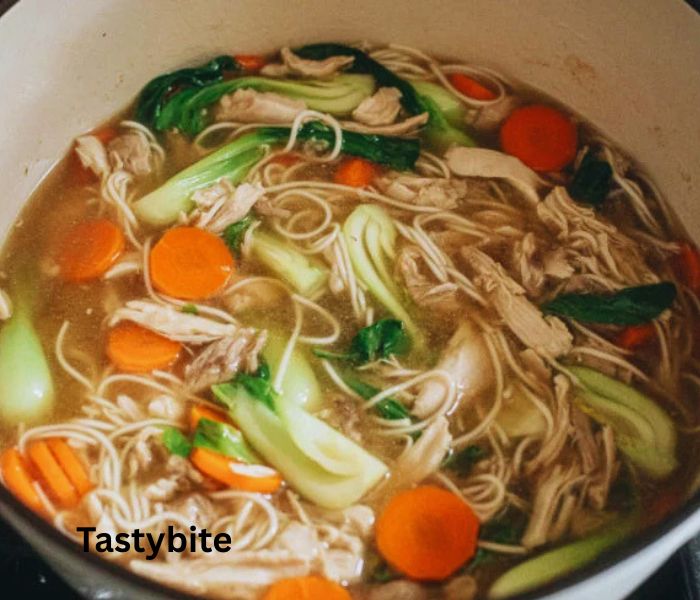
Bring the broth back to a gentle simmer over medium heat and add your vegetables in order of cooking time start with carrots and cook for 3 minutes, then add bok choy, bamboo shoots, mushrooms, kale, spinach, or chard and cook for just blanch 20 seconds so they stay bright and keep their texture and color. Do not overcook the leafy green varieties as they wilt very fast.
Step 8: Cook the noodles
Fill a separate pot with water and bring to a full boil. Add your noodles and cook following package directions based on your noodle type. Fresh noodles typically take 2 to 3 minutes while dried noodles take 4 to 6 minutes. Check doneness by pulling a single strand and biting through it. It should be cooked but still have a slight chew. Once done, drain noodles immediately and rinse under running water to stop the cooking. This is especially important for rice noodles which develop a mushy surface if left sitting in hot liquid.
PRO TIP: always cook noodles in a separate pot. Noodles left in broth absorb loads of liquid and leave you with far less broth than you expect, something I learnt the hard way with those cheeky buggers.
Step 9: Assemble the Bowl
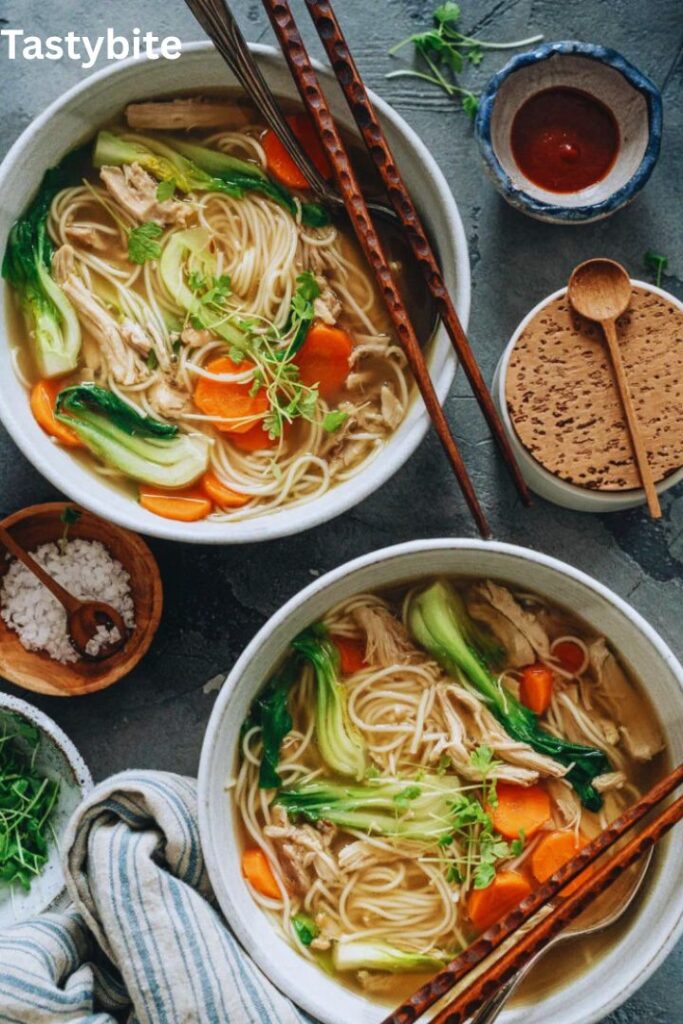
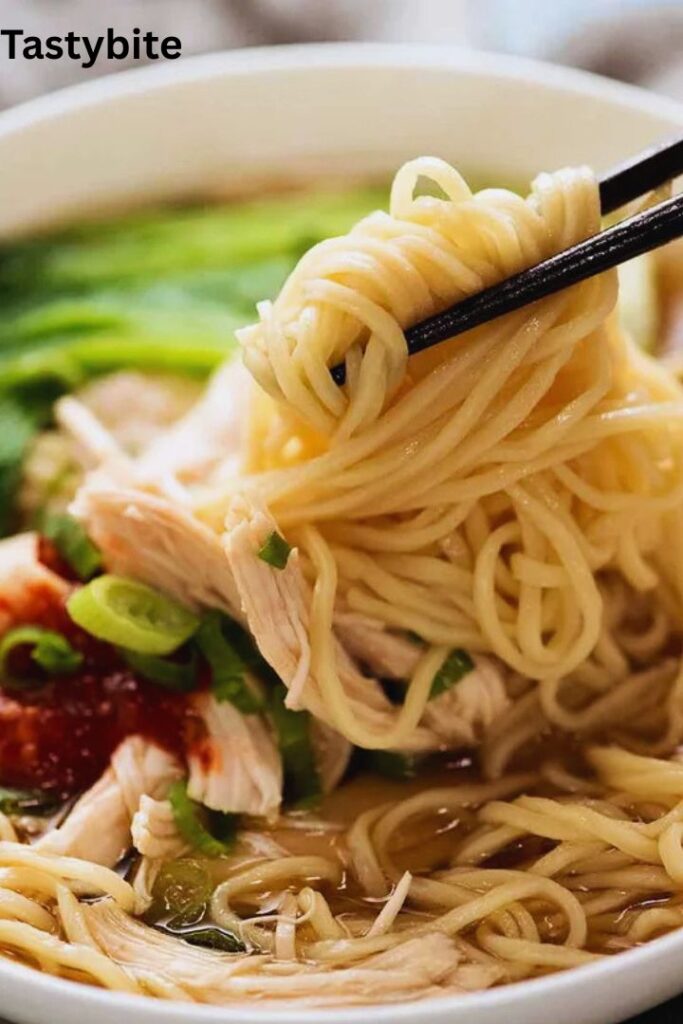
Place a generous portion of freshly boiled noodles into each of your serving bowls. Ladle 1 to 1.5 cups of hot broth over the noodles, then top with a good handful of shredded chicken and your cooked vegetables. Finish by garnishing with finely chopped scallion greens, green part scallions, and a small drizzle of sesame oil on top before you serve hot immediately.
Step 10: Make Ahead and Store
The soup base and broth can be made well in advance and stored in the freezer for up to 3 months in an airtight container. When ready to eat, simply heat the broth on the stove over medium heat until hot, cook freshly boiled noodles separately, and assemble the dish. The whole process takes under 10 minutes anytime you crave a bowl.
PRO TIP:
Always cook noodles in a separate pot. Noodles left in broth absorb loads of liquid and leave you with far less broth than you expect broth absorption is real and ruins the bowl fast.
Simply you can use these methods:
Instant Pot or Pressure Cooker Method:
For instant pot, pressure cooker, or stove top pressure cooker, start by using the saute function to sear your chicken pieces and bloom your spices exactly as in Step 2 and Step 3. Then seal the lid and set to high pressure for 25 minutes. Once done, allow natural release for 10 minutes before opening the lid. This cuts simmer time significantly, makes the cooking process much faster, and helps save energy without losing any depth of flavor.
Yunnan Style Variation:
For a bowl closer to Yunnan rice noodle soup, simply swap your noodles for rice noodles and adjust cooking time per package directions, blanch them separately, rinse under running water, and assemble the dish the same way the soup broth carries beautifully regardless of which noodle type you choose.
Alternative Cooking Methods for Chinese chicken noodle soup:
One of the things I love most about this recipe is how flexible it is. There are so many alternative methods to make it your own right in your kitchen without starting from scratch every single time.
More Ways to Make This Soup Work in Your Kitchen:
- The quickest route in your kitchen is using ready-to-use chicken broth straight from a carton, then building flavor on top with your own seasonings. Just watch the quantity of salt and soy sauce you add since it can already be quite salted broth.
- Boiled eggs and sliced tofu make excellent toppings and great protein substitutes that add texture and nutrition without any extra cooking effort.
- Leftover roast chicken or smoked chicken can simply be pulled apart by hand, just tear meat straight off and drop into the hot broth, no chopping needed.
- Save the carcass from a roast to make broth from scratch, especially useful with Christmas dinner leftovers, giving you a rich and deep base that a carton simply cannot match.
- The same trick works beautifully with a leftover turkey carcass to assemble a bowl that works just as well as a classic Turkey Noodle Soup.
Tips for the Best Chinese Chicken Noodle Soup:
These are some pro Tips for Getting the Best Out of Every Bowl:
- Always go for skin on, bone in cuts like chicken legs or thighs the fat and collagen released from the bone in pieces during simmering gives the broth that natural body and richness that boneless cuts simply cannot deliver.
- Add shiitake mushrooms without hesitation. They bring a deep umami taste that quietly elevates the entire broth without drawing attention to themselves, which is exactly what a good supporting ingredient should do.
- Always season broth lightly and build up gradually overpowering condiments added too soon can completely mask the natural depth you spent time building.
- Always cook noodles separately and add them to the bowl at the last moment. Noodles sitting in broth for too long soak up all the liquid and turn soft, so keeping them apart until serving is the single easiest way to guarantee the best taste in every bowl.
How to Make Chinese Chicken Noodle Soup Healthier:
This noodle soup recipe sits at just 352 calories a bowl, making it a reliable go-to for diet dinners but if you want to healthify it even further, a few easy tweaks are worth trying before you settle on the original. The simplest way to cut down on carbs and calories is to skip noodles entirely and load up with tons more vegetables, turning the bowl into a light but filling Chinese vegetable soup, something I do frequently on cleaner eating days.
If you miss noodles though, console yourself with a smaller portion alongside a healthy dose of extra greens that balance the key ingredient without the extra calories. You can also try finishing the bowl Chicken Pho style with fresh herbs and a spoonful of chilli paste. It makes the bowl feel even healthier and brighter without changing what was intended in the original recipe.
Make Ahead, Storage & Reheating Tips for Chinese chicken noodle soup recipe:
Make Ahead:
This is an ideal recipe to make in advance and one of the smartest things you can do is cook a large batch right from the start using chicken legs, thighs, or even a whole chicken to get the most out of a single cooking session. Once the chicken broth is ready, shred chicken meat as soon as it is cool enough to touch, then put back the shredded chicken into the broth and let everything rest together so the meat soaks up all that deep flavor.
How to Store Chinese chicken noodle soup:
Divide the broth into equal portions and store in airtight containers to freeze, place the containers into the freezer where the broth keeps well for up to 3 months. For shorter storage, keep one portion in the fridge for up to 3 days, ready to heat whenever needed.
Reheating the chinese chicken noodle soup:
Defrost one portion overnight in the fridge before reheating. Pour the broth into a pot and heat over medium heat, stirring occasionally until piping hot all the way through. Do not rush this on high heat as it can affect the texture of the shredded chicken. Once hot, taste and adjust seasonings as needed since flavors can slightly mellow after freezing. To assemble, cook your freshly cooked noodles separately, prepare your vegetables, and bring the whole bowl together at the last moment following these tips.
If you like more recipes, you can also try Campbell’s Chicken Noodle Soup, Panera Chicken Noodle Soup, Best Chicken Noodle Soup, Ina Garten Chicken Noodle Soup, and Easy homemade Souplantation Chicken Noodle Soup.
FAQs About Chinese Chicken Noodle Soup recipe:
What other vegetables can be added to Chinese chicken noodle soup?
Best Vegetables to Add to Your Chinese Chicken Noodle Soup
Leafy Greens & Brassicas
- Gai Lan (Chinese Broccoli): adds a crunchy stem with a slightly bitter, robust flavor
- Choy Sum: a tender, mild green that wilts perfectly in hot broth
- Napa Cabbage: delivers soft texture and subtle sweetness, deeply comforting in the soup base
- Broccolini: adds a satisfying crunch to the savory chicken broth
- Spinach: one of the most delicate greens that wilt instantly right before serving
Texture Boosters & Umami
- Shiitake mushrooms and Oyster mushrooms: bring deep savory umami that enriches the clear stock
- Bean sprouts: add a fresh crunch and light watery crunch that lifts the bowl
- Water chestnuts: thin slices contribute a sweet crispness that holds up well in hot liquid
- Bamboo shoots: bring earthy flavor and fibrous texture that softens into a tender texture while simmering
What are some recommended substitutions for Chinese cooking wine in the soup?
Alcoholic Substitutes:
If you do not have Chinese cooking wine or Shaoxing wine on hand, there are plenty of solid alcoholic substitutes that work well in this chicken noodle soup without losing that depth and delicate chicken, ginger, and garlic flavors you are after. For an alcohol based swap, dry sherry is the closest match it is an everyday ingredient, a cheap ingredient, and mirrors the nutty notes, briny notes, and deep savory notes of the Shaoxing wine profile perfectly at a 1:1 ratio just avoid sweet cream sherries as they throw the balance off.
Japanese cooking sake works too but runs lighter and sweeter than Chinese rice wine, while Mirin as a Japanese sweet cooking wine is fine but make sure to omit sugar or reduce sugar elsewhere in the soup recipe to avoid it turning too sweet and dry white wine is another easy substitution that keeps the broth light and clean.
Non-Alcoholic:
For a non-alcoholic swap, simply use clear chicken broth at a 1:1 ratio in place of Shaoxing wine; it maintains a light, clean, comforting broth base that still lets the delicate chicken and aromatics shine through naturally without any alcohol at all.How to Make Chinese Chicken Noodle Soup Better Than Takeout