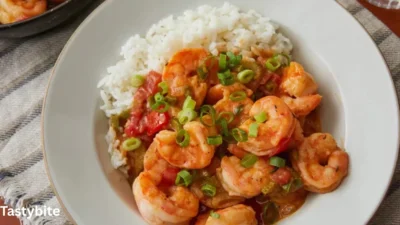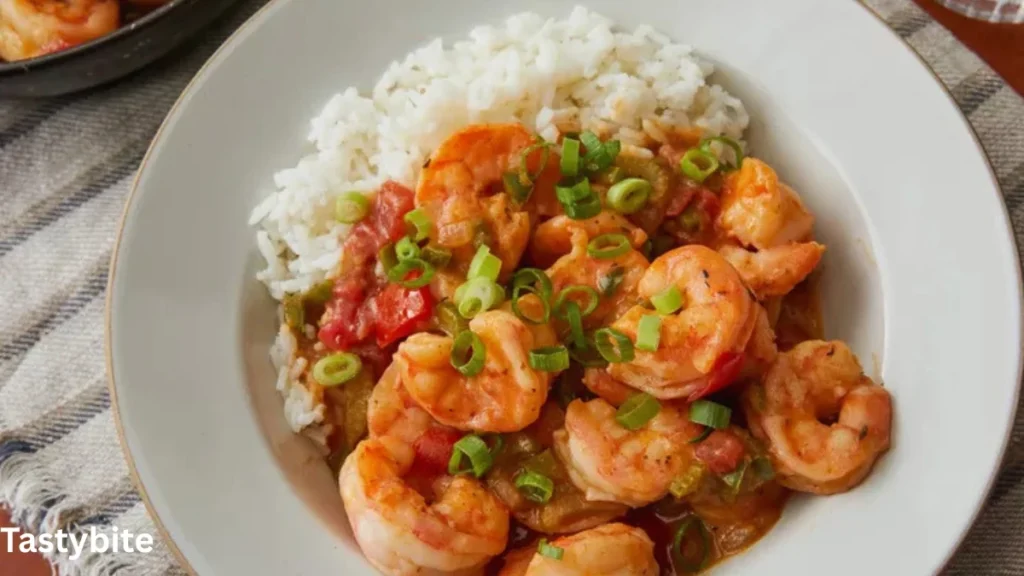
It started on a normal weekend when I was looking for something fun to cook and came across a New Orleans shrimp étouffée recipe that reminded me of Mardi Gras trips with friends. I decided to make it that night, following an old recipe I had scribbled in a notebook. That one pot of shrimp in rich tomato sauce changed my cooking forever. The holy trinity of onion, celery, and bell pepper is essential, and I learned that real Cajun and Creole cooking requires patience. Making the roux was a lesson in keeping the heat low and stirring frequently until it achieved that deep, nutty brown.
Picking fresh shrimp over anything frozen and bagged makes a real difference. High-quality shrimp and quality shrimp in general hold their bite, while cheap ones turn rubbery the second you overcook them, even by a minute. For spice, I add cayenne and hot sauce slowly so I can adjust as I go and tone down the heat if it’s a family dinner instead of a guys’ night in. Once it’s thick and smells like a full NOLA kitchen, I serve it over white rice with a slice of honey cornbread on the side, and after a few tries, making etouffee this way is something I can finally say I master. You can also try the Lime Crema Recipe and Black Bean, Corn, and Feta Dip Recipe.
What is etouffee?
Étouffée means smothered, and this dish features shrimp cooked in a simmering sauce, absorbing rich flavors. It’s a classic New Orleans comfort food that starts with the holy trinity of vegetables: onions, celery, and bell pepper. Unlike jambalaya, which includes rice cooked in the dish, étouffée is served over separately cooked white rice. Every étouffée begins with a roux of flour and oil that creates its thick texture. I once tried using cornstarch instead, but it didn’t match the authentic flavor, proving that real ingredients and proper techniques are essential in traditional recipes.
Shrimp Étouffée Ingredients You’ll Need:
Here is the detail of everything that goes into my Pot of Étouffée to make it easy:
Shrimp
- Shrimp, peeled and deveined, the star of this whole recipe
Roux Base
- Butter, melted to start the base
- Canola oil, added in to keep the roux smooth
- Flour, whisked in to build the actual roux
The Veggies
- Onion, celery, and bell pepper the three core veggies
- Garlic, minced in for depth
- Green onion, sliced thin and saved for the finish
Herbs & Spices
- Thyme, one of the main herbs in the pot
- Cayenne pepper, the boldest of the spices in the mix
- Smoked paprika, for warmth and color
Tomatoes
- Diced tomatoes, or canned diced tomatoes when fresh ones aren’t around
Stock
- Seafood stock, or vegetable stock as a solid backup
Finishing Touches
- Worcestershire sauce, for depth
- Tabasco, for a final kick of heat
To Serve
- White rice, the base this whole stew gets ladled over
Make Stock with Shrimp Shells:
Making stock with shrimp shells is often overlooked but essential for a rich shrimp étouffée. After cooking fresh shrimp, save the shells and heads, along with onion skins, celery stems, and pepper stems that you might usually discard. Place them in a pot, add a pinch of salt, and cover with 4 cups of water. Simmer for about 10 minutes to extract the flavor. Strain out the solids to get a golden stock that enhances your sauce with authentic New Orleans flavor.
How to Make Shrimp Étouffée step-by-step guide:
This is my authentic New Orleans Shrimp Étouffée recipe, the same one I keep pulling up on video whenever I second guess a step.
Step 1: Build the Roux
Grab a large saucepan with a lid, or better yet, a 5qt dutch oven, to build your roux. Heat oil in the bottom, whisk in the flour, and whisk it in right away, stir slowly at first, then stir constantly as the hot oil and flour cook for a full 15 minutes, turning a deep copper brown color, almost chocolate like, and noticeably thickened.
Step 2: Prep the Veggies and Spice Blend
Chop your veggies and gather your seasonings: onion, celery, bell pepper, and green onion. Mix garlic powder, onion powder, paprika, thyme, oregano, cayenne pepper, white pepper, and black pepper in a small bowl to make your own spice blend.
Step 3: Prep and Season the Shrimp
Drain shrimp through a colander, pat dry with paper towels for truly dry shrimp. Season the shrimp with ½ teaspoon salt and 1 teaspoon spice blend, and toss to coat.
Step 4: Sear the Shrimp
Heat a large heavy skillet on high heat until you see smoking oil, then cook shrimp for 1 minute per side. Save the shrimp juices left in the pan.
Step 5: Build the Sauce
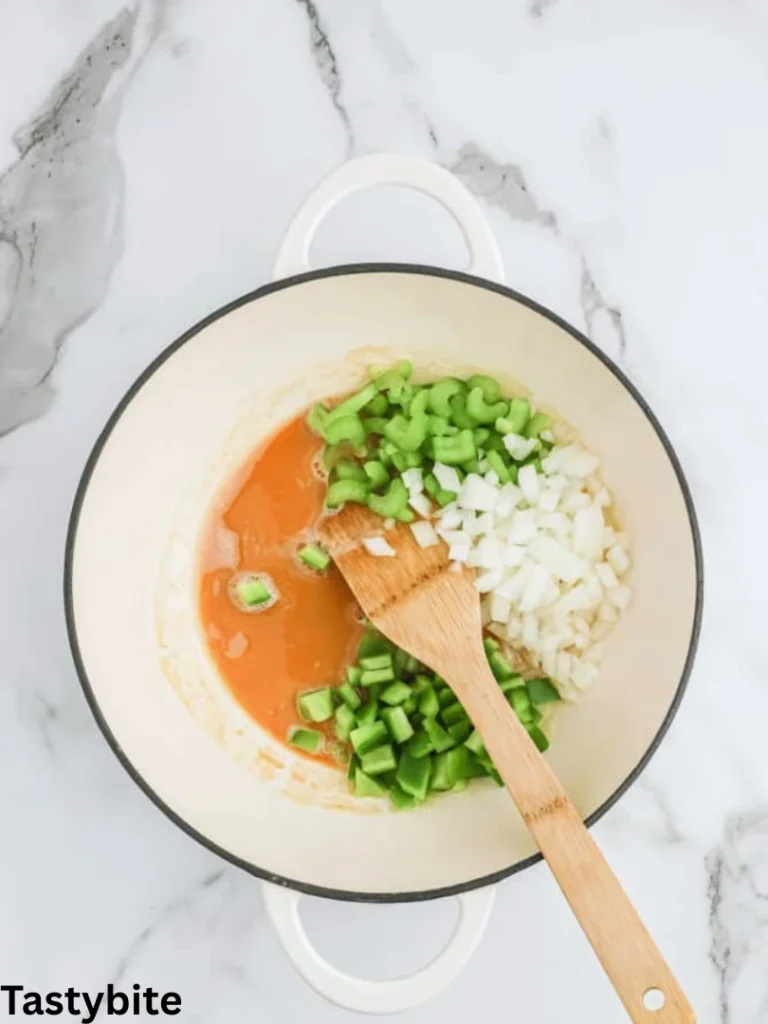
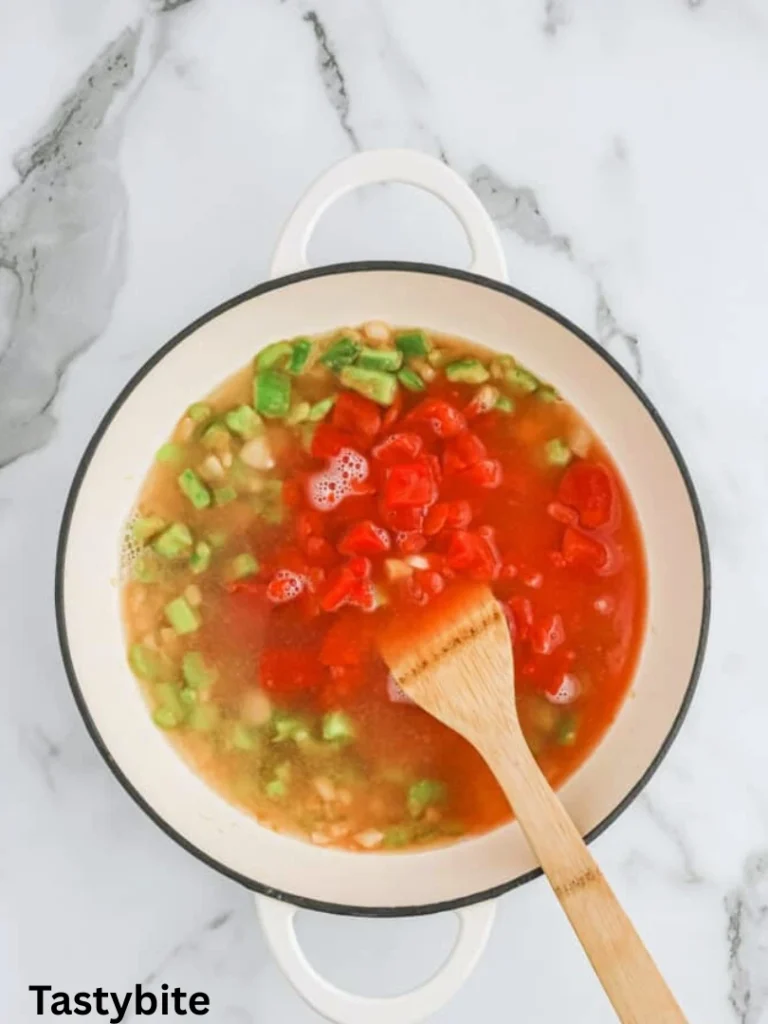
Add chicken stock, about 2 cups, plus butter, and drop to medium heat. Cook the veggies until they show tan edges and form a vegetable mixture. Stir in tomatoes and tomato juices, scraping up the brown bottom, until smooth, then simmer to a gravy-like consistency.
Step 6: Finish and Serve
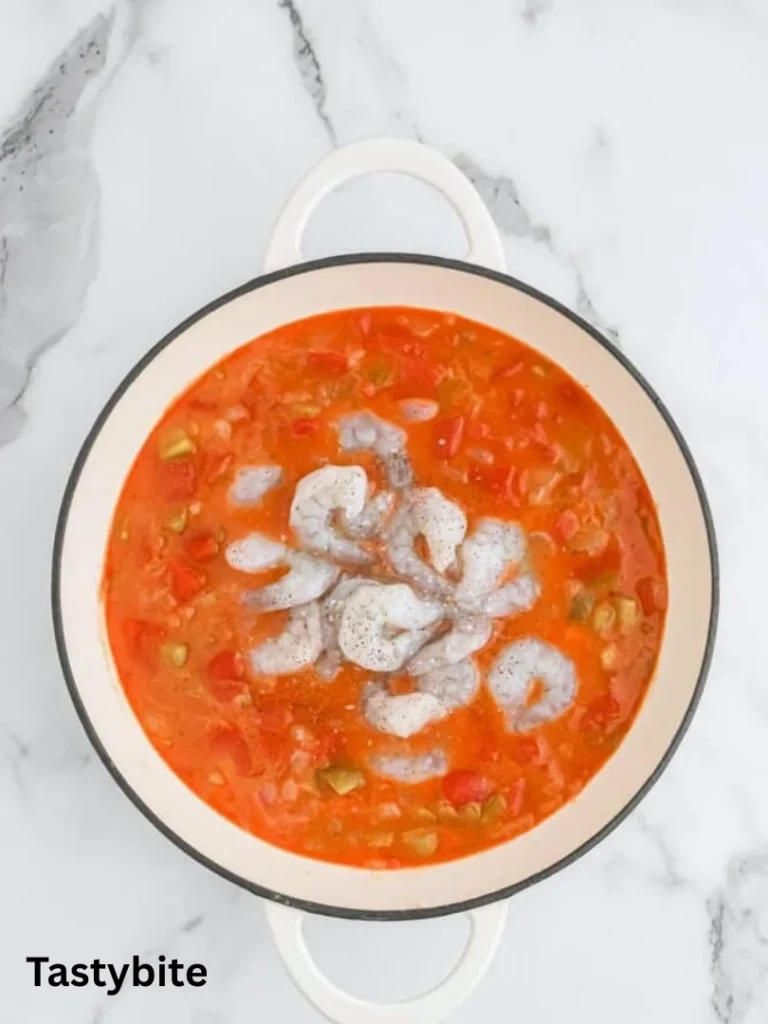
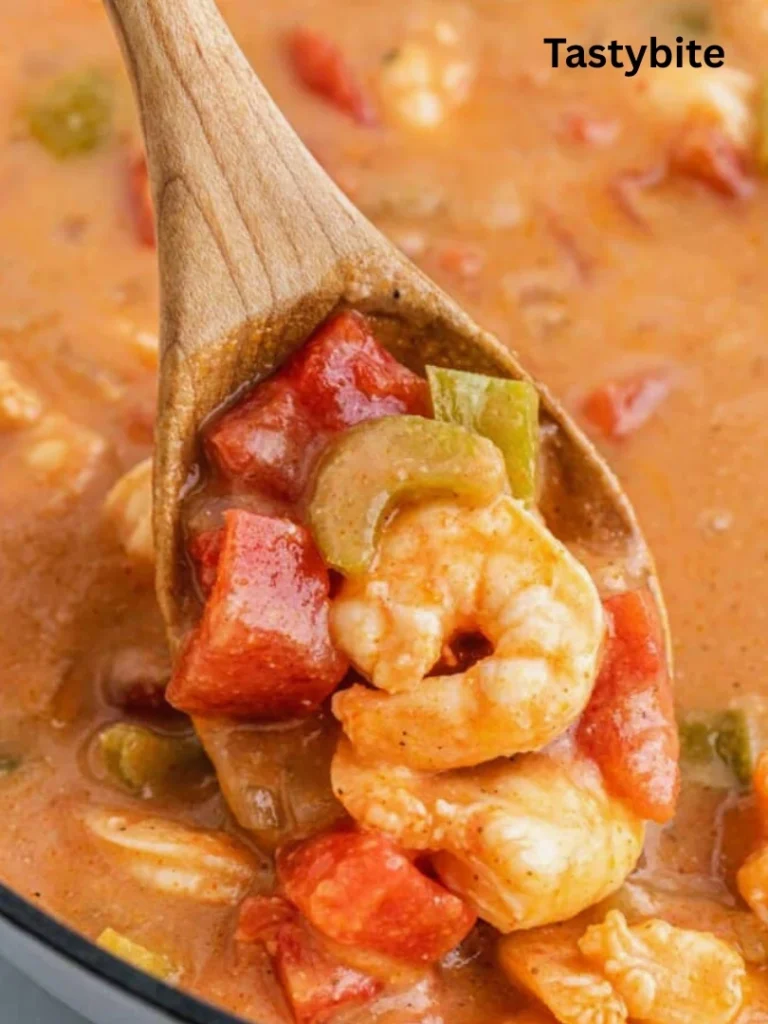
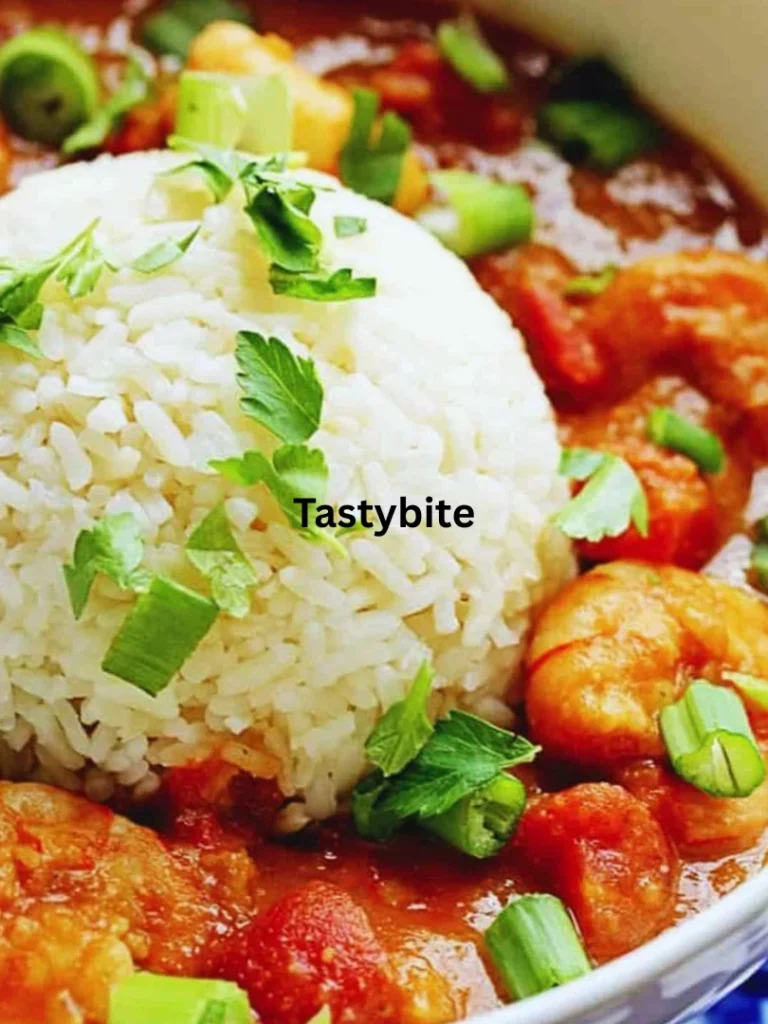
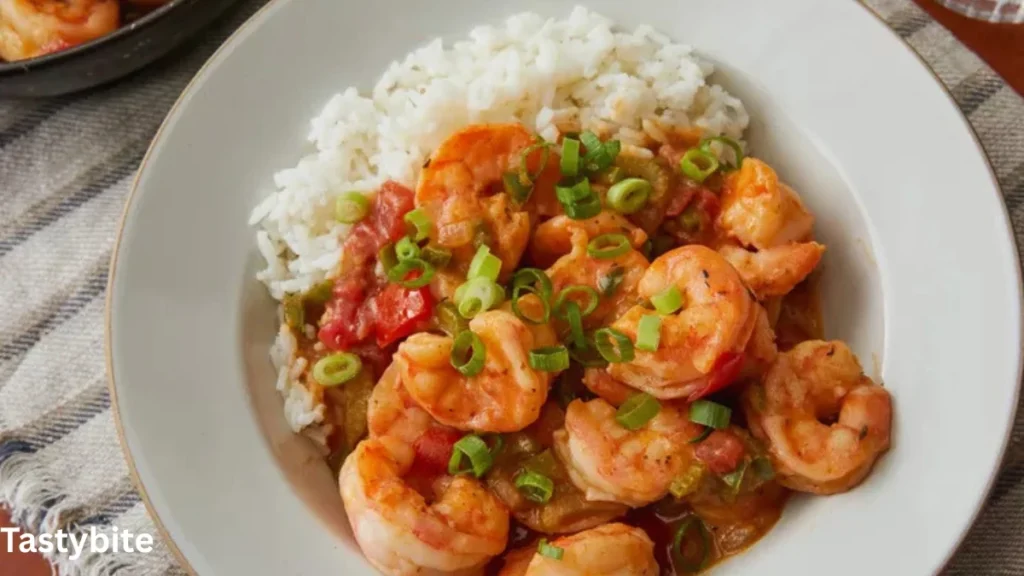
Stir in Worcestershire sauce, Tabasco, or hot sauce, return the shrimp to the pot, and serve over rice in large shallow bowls. Top with a garnish of parsley and a dusting cayenne pepper for that finishing dressing.
Step 7: Make It Ahead
Cover the pot, chill it in the refrigerator, and let the flavors settle overnight.
Step 8: Optional Upgrades
For a richer pot, add white wine, tomato paste, creole seasoning, lemon juice, or whipping cream that’s real etouffee New Orleans style.
Tips for the Best Shrimp Étouffée (Common Mistakes to Avoid):
Here’s what actually separates a forgettable pot from the best shrimp étouffée you’ll ever make:
- Skip the shortcuts. You’ll find a slow cooker étouffée or instant pot étouffée version online, but if you want something authentic to the South, real stovetop cooking beats shortcuts every time. This is a labor of love, not a rushed weeknight meal; even simple recipes shouldn’t skip steps if you want restaurant-quality results straight from New Orleans tradition.
- Watch the Roux Like a Hawk Pay attention to your roux from the starter stage. Give it the full ten minutes of supervised stirring, watching it move through those descriptive color stages instead of walking away. I don’t have a full explanation that beats actually watching it happen the same goes for a Chicken Gumbo Recipe roux.
- Don’t Swap the Ingredients Don’t make substitutions on the core ingredients unless necessary. If you do need to substitute, all-purpose gluten-free flour works fine for a gluten-free version, but don’t swap things just because the pantry’s low.
- Pick the Right Shrimp For the shrimp, larger shrimp hold up better than medium shrimp, and fresh shrimp always beats frozen shrimp in texture for this étouffée recipe.
- Using the Right Stock Seafood stock is the right call here, not vegetable stock or beef stock chicken stock is a fine backup. Just make sure your pre-made stock or broth is a good one; a weak store-bought seafood recipe base will flatten the whole dish.
How to Store Shrimp Étouffée:
Once dinner’s done, the easiest way to store shrimp étouffée is this: let any leftover shrimp étouffée cool for about twenty minutes, then transfer it into an airtight container and place it in the refrigerator. Stored this way, it keeps well for up to three days, and proper storage is really what decides whether your reheated bowl still tastes like the night you made it.
Watch how to make shrimp etouffee New Orleans recipe:
Here is the video tutorial to make shrimp etouffee:
More chicken recipes you should try:
- Juicy Yogurt-Marinated Chicken Thighs
- Patti Labelle Smothered Turkey Wings
- Honey Butter Garlic Chicken Wings
- Fluffy Southern Living Chicken and Dumplings
- Smothered Chicken Wings Recipe
- Perfect Sauteed Chicken Breasts
- Boil Chicken Breasts
Shrimp Étouffée FAQs:
Can I make this with crawfish?
Yes, you can swap shrimp for crawfish tails and follow the same cooking instructions, just cook them for a shorter cooking time since crawfish are smaller. This seafood substitution is one I make often, and honestly, shrimp étouffée and crawfish étouffée taste nearly identical once that roux takes over.
How do I know when my roux is done for shrimp etouffee?
Your roux is done when it hits a deep dark brown, somewhere past golden color but not burnt usually around 9 minutes in with continuous stirring. Stop the second it smells nutty instead of bitter.
What are some common etouffee mistakes?
The common etouffee mistakes I see most often: overbrowning the roux until that roux turns bitter, cooking shrimp too long so the shrimp turns rubbery, and adding tomato into a true Cajun etouffee, which isn’t traditional. Browning vegetables too fast ruins the vegetables’ sweetness too. These common errors are easy to avoid once you slow down.
How to make the best shrimp etouffee?
My Go-To Method for the Best Pot:
My best shrimp étouffée starts with a golden peanut butter roux made from equal parts butter and flour, then I sauté the Holy Trinity onion, celery, green bell pepper with garlic and Creole spices. Simmer it in shrimp stock or chicken stock, then drop in peeled shrimp until tender shrimp is all that’s left, and that roux, butter, and flour combo is really what makes it sing.
What is etouffee sauce made of?
That étouffée sauce is really a rich gravy, a savory Louisiana gravy built from butter, oil, and a flour roux, plus the Holy Trinity aromatics: onion, celery, green bell pepper, and garlic. Add flavorful seafood stock or chicken stock, Cajun spices, Creole spices, a dash of hot sauce, and sometimes tomatoes, and that roux-thickened, seasoned sauce is what makes étouffée so good.
What thickens etouffee?
The Real Secret Behind That Thick Sauce:
Roux, a French term for flour cooked in fat like butter, oil, or lard is what thickens most soups, stews, and sauces, and it’s the critical part behind famous Cajun dishes and famous Creole dishes alike, from gumbo to étouffée. Once you learn the finer points of building one, you’ll see it everywhere in Cajun cuisine and Creole cuisine.