I’ve cooked salmon with capers and dill in more ways than I can count, and it remains the best fish for this kind of dish because the cooking method is forgiving and the flavor profile stays rich yet clean. If salmon isn’t on hand, trout or Arctic char are solid proxies that work well thanks to comparable fattiness, and they’re often more available.
I usually choose large fillets, though cod, haddock, or halibut can also serve in a pinch. When plating, I use a large spoon to scoop out large hunks; there’s no need to slice or cut too carefully, just aim for even portions for a rustic look. From my experience, wild fish is always better for texture and taste.
What makes this approach reliable is slow roasting, a truly foolproof technique. By keeping the oven temperature low, you get a large margin for error, so the fish won’t end up undercooked or overcooked. I lean on bright seasoning that feels perfect for spring and summer, using a combination of fresh herbs, citrus zest, and gentle heat to yield swoon worthy results. I’ve found that using a great piece of fish lets the natural flavor shine during roasting, especially when herbs, citrus, and balanced seasoning are handled with restraint.
Why You’ll Love This Recipe:
This recipe will make you fall in love with this as:
- Salmon stays tender and flavorful, making it the star of the recipe.
- Capers and fresh dill add bright, zesty, and savory flavor that complements the richness of the fish.
- Whether baked, pan seared, or roasted, the dish is easy to prepare and fresh, perfect for summer meals.
- Creates a classic pairing that’s light and exceptionally well balanced, making every bite delicious.
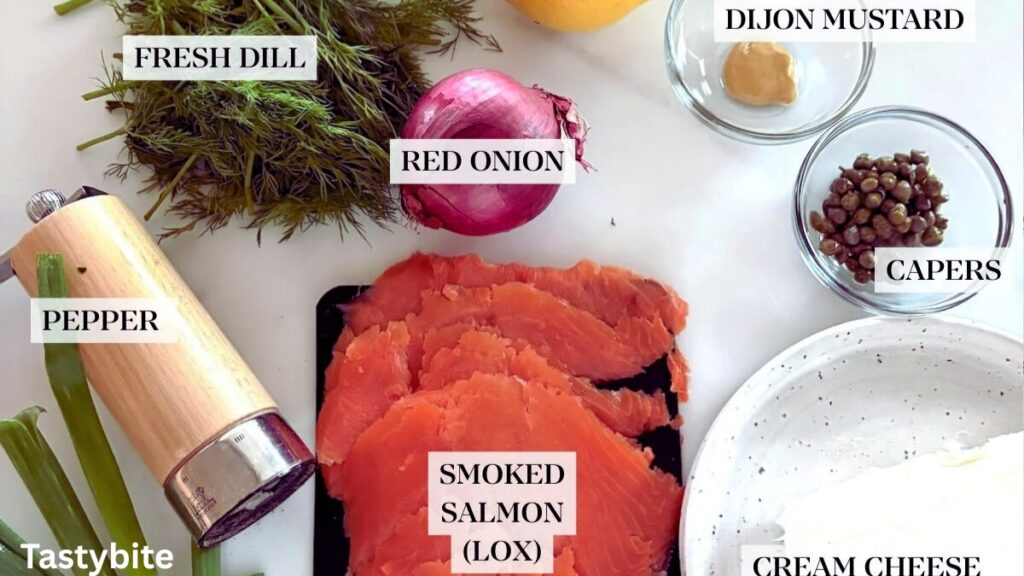
Ingredients needed for Salmon with Capers and Dill:
Here are the key ingredients that you’ll need to make this recipe:
- Salmon:
- Skin-on salmon fillet, skinless salmon fillets, 2 or 2.5 pound, 4, 5 ounces each, 907 g, salmon fillet. The star of the dish; I prefer skin-on salmon fillet for extra flavor and crispiness, but skinless works okay too. Large pieces cook evenly and retain moisture.
- Skin-on salmon fillet, skinless salmon fillets, 2 or 2.5 pound, 4, 5 ounces each, 907 g, salmon fillet. The star of the dish; I prefer skin-on salmon fillet for extra flavor and crispiness, but skinless works okay too. Large pieces cook evenly and retain moisture.
- Salt and Pepper:
- Kosher salt, freshly ground black pepper, salt, pepper, pinch, potassium based salt substitute, to taste. These seasonings enhance the natural flavor of the fish. I usually use a pinch to start and adjust to taste for a perfect balance.
- Kosher salt, freshly ground black pepper, salt, pepper, pinch, potassium based salt substitute, to taste. These seasonings enhance the natural flavor of the fish. I usually use a pinch to start and adjust to taste for a perfect balance.
- Butter & Oil:
- Unsalted butter (¼ cup, 60 ml), olive oil (90 ml), extra virgin olive oil, extra, drizzling, 2 tablespoons, 2 tablespoons, remaining olive oil. Adds richness and helps in browning the salmon. A little drizzling of oil keeps the fillets moist during roasting.
- Unsalted butter (¼ cup, 60 ml), olive oil (90 ml), extra virgin olive oil, extra, drizzling, 2 tablespoons, 2 tablespoons, remaining olive oil. Adds richness and helps in browning the salmon. A little drizzling of oil keeps the fillets moist during roasting.
- Citrus:
- Lemon, zested, fresh lemon juice, save for juicing. Brightens the flavor and balances the richness of the fish. Zested lemon adds aroma, and fresh lemon juice is squeezed over before serving for a perfect finish.
- Lemon, zested, fresh lemon juice, save for juicing. Brightens the flavor and balances the richness of the fish. Zested lemon adds aroma, and fresh lemon juice is squeezed over before serving for a perfect finish.
- Onion & Aromatics:
- ½ small red onion, sliced, very thin rings, divided, 2 small cloves garlic, minced, finely chopped. Adds depth and subtle sweetness. I slice the onion very thin for even cooking and divide it to layer under and over the salmon. Garlic is finely chopped to enhance aroma without overpowering.
- ½ small red onion, sliced, very thin rings, divided, 2 small cloves garlic, minced, finely chopped. Adds depth and subtle sweetness. I slice the onion very thin for even cooking and divide it to layer under and over the salmon. Garlic is finely chopped to enhance aroma without overpowering.
- Herbs:
- Fresh dill, dill, parsley, chopped. Brings freshness and a bright seasoning to the dish. I sprinkle chopped dill at the end to retain its aromatic lift.
- Fresh dill, dill, parsley, chopped. Brings freshness and a bright seasoning to the dish. I sprinkle chopped dill at the end to retain its aromatic lift.
- Capers:
- Brined capers, capers, rinsed, dried, 1 cup, 2-3 tablespoons. Adds a briny, tangy pop that complements the richness of salmon. I usually rinse and dry them to prevent extra saltiness.
- Brined capers, capers, rinsed, dried, 1 cup, 2-3 tablespoons. Adds a briny, tangy pop that complements the richness of salmon. I usually rinse and dry them to prevent extra saltiness.
- Extras / Garnish:
- Toasted sesame seeds, optional, absolutely refuse, okay. Adds crunch and texture. Some people might absolutely refuse, but I think a sprinkle works okay for a presentation.
- Toasted sesame seeds, optional, absolutely refuse, okay. Adds crunch and texture. Some people might absolutely refuse, but I think a sprinkle works okay for a presentation.
How to Prepare Salmon with Capers and Dill:
Are you stuck on how to prepare Salmon? There is no more need to be worried about this, here is the step-by-step guidance how to prepare Salmon with Capers and Dill:
Step 1: Preheat and Prep the Pan:
Preheat your oven to 325° F or 300 degrees for slow-roast and prepare a medium skillet or oven proof skillet. Pour in a mix of butter and olive oil, letting it frizzle lightly before cooking.
Step 2: Arrange the Salmon:
Place salmon fillets skin side down in the pan. Add remaining sliced onion and a halved lemon (after you remove seeds) to infuse flavor. Swirl the pan occasionally to coat everything evenly.
Step 3: Roast the Fish:
Cook the salmon for 12-15 minutes until the flesh is slightly firm and just cooked through. Check doneness by pressing the thickest portion with your ring finger or insert a knife for 5 seconds. The fish should look opaque and translucent near the edges.
Step 4: Prepare the Herb Mixture:
In a medium bowl, mix chopped dill, garlic, and lemon juice. Brush this garlic mixture over the salmon fillets and drizzle some remaining olive oil on top.
Step 5: Add Garnish and Serve:
Scatter on top some sesame seeds for crunch. Optionally, prepare a brown butter-lemon mixture in a baking dish, then toss together with sliced lemon and onions. Transfer the salmon to a serving dish, pop a few more zested lemon wedges, season to taste, and enjoy the flavors. The salmon should be crisped on top, tender inside, and ready to serve.

How to prepare Salmon with Capers and Dill (Video Tutorial):
Here is the complete video tutorial to prepare perfectly Salmon with Capers and Dill:
More Seafood recipes you should also try:
FAQs about Salmon with Capers and Dill:
Do salmon and capers go together?
Salmon and capers are a classic pairing because the briny, tangy, and salty flavor of capers perfectly balances the richness of the fish. Adding lemon, butter, and garlic creates bright, zesty, and savory flavor combinations that work exceptionally well in baked, pan-seared, or roasted dishes, providing a fresh, Mediterranean-inspired taste when paired together.
Do capers and dill go together?
Salty capers and fresh dill pair beautifully, adding a bright flavor to silky sauce, summer salad, or orecchiette pasta, letting the sauce absorb their taste. This combination is a great option for any recipe, creating a perfect balance that I love using with fresh ingredients, and it works particularly well to add tons of flavor, making the dish better overall.
Does dill pair well with salmon?
Dill and salmon are a classic, perfect pairing, as the fresh, bright, and slightly citrusy flavor complements the richness of the fish. Whether baking, pan-frying, or grilling, the herb adds a light, aromatic lift to sauces or as a garnish, enhanced by lemon without overpowering the dish, making it a match made in heaven when adding flavor, which I’ve often considered essential for great results.
What are the most common salmon marinade mistakes?
A frequent error is to over marinate salmon, as the proteins in the fish react to the marinade or tenderizer, which can change the texture and create mushy fish or even an unintended ceviche. How long the salmon spends in the liquid is great to get it tender, however, too much time is worse than not enough, so you only need a short period to achieve a tender and flavorful result.
Do you add capers before or after cooking?
For the best flavor in Salmon with Capers and Dill, I like to add 25g chopped capers or 25g whole capers near the end of the cook. Gently brown them in butter over slow heat in a pan for a couple of minutes until the butter melts and the capers softens, then mix in chopped lemon zest. This way, the process enhances everything without overcooking or losing the bright taste.