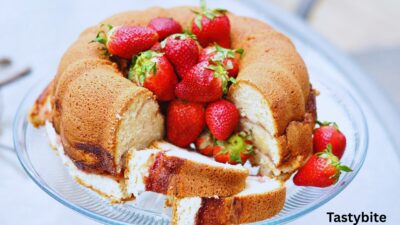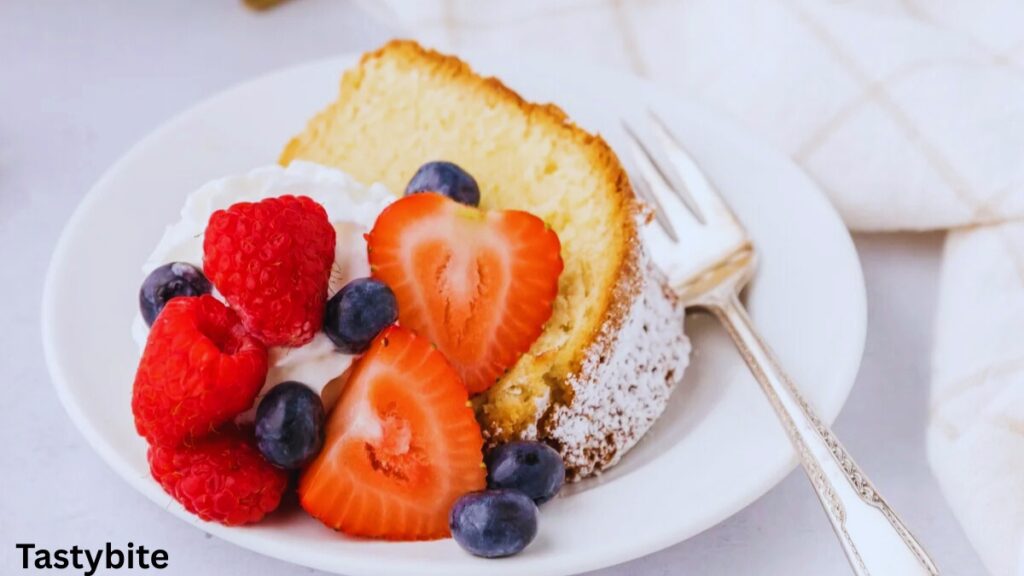
Creating the perfect cream cheese pound cake is never as easy as it looks, but after many failures and persistent recipe testing, I finally found the best ratio of ingredients that produces a moist, dense, and flavorful cake. Using only 9 simple ingredients, this recipe turns out consistently delicious without the disappointment of a dry or rock solid texture. From plain pound cake to lemon pound cake, raspberry swirl pound cake, and even brown butter pound cake, I’ve tried quite a few variations, and each has its own charm when you follow baking time and temperature closely.
I still remember when a family friend, Maryam Naaz, a sweet lady from junior high, shared her signature pound cake technique with me. Her homemade pound cake recipe, used for decades, had a profound effect on my baking. From dense center cakes topped with fresh berries and a dollop of whipped cream to beloved crispy outer crusts, the cake batter becomes stunning and tender, melts in your mouth, and isn’t too heavy. Even in tough times, when life seemed to fade away, this family recipe made it easy to enjoy a sweet treat just as is, whether served for teachers, mom, or dad, or with pound cakes in tow for friends, making every moment oh so delicious.
Here’s Why You’ll Love This Cream Cheese Pound Cake Recipe:
Today, I’m teaching how to make my favorite cream cheese pound cake, and I feel confident calling it the best pound cake because this recipe explains exactly why it works so well. And how you are gonna love it:
- The cake is very buttery, very moist, and not dry, made as a 1 bowl recipe using only 9 basic ingredients.
- It bakes into a dense, not heavy texture that never turns into a brick, giving a soft, smooth crumb every time.
- A little tang from cream cheese balances the sweet, vanilla flavored taste and creates a lovely flavor that truly stands alone.
- I usually prepare it in a Bundt pan, but you can easily halve the batter for a loaf pan or turn it into a mini pound cake recipe if you want to try something smaller.
- Using low and slow baking in the oven keeps the cake tender and perfectly moist, helping the center finish cooking without over-baking, which is a common issue many pound cakes face.
- This method usually takes about 15 minutes longer and allows the cake to come out evenly cooked, even on the outside.
- I focus on avoiding dry cake by following simple tips, and I don’t rely on pictures, I just trust the process.
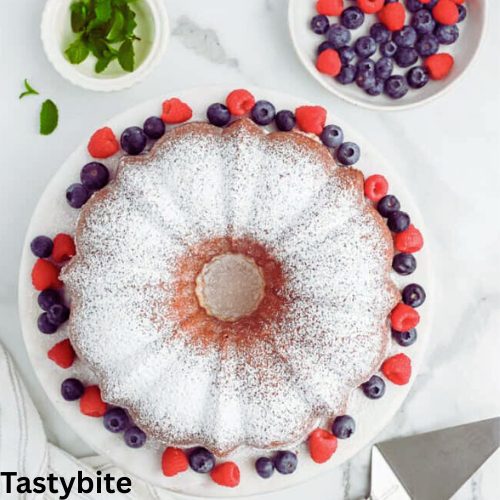
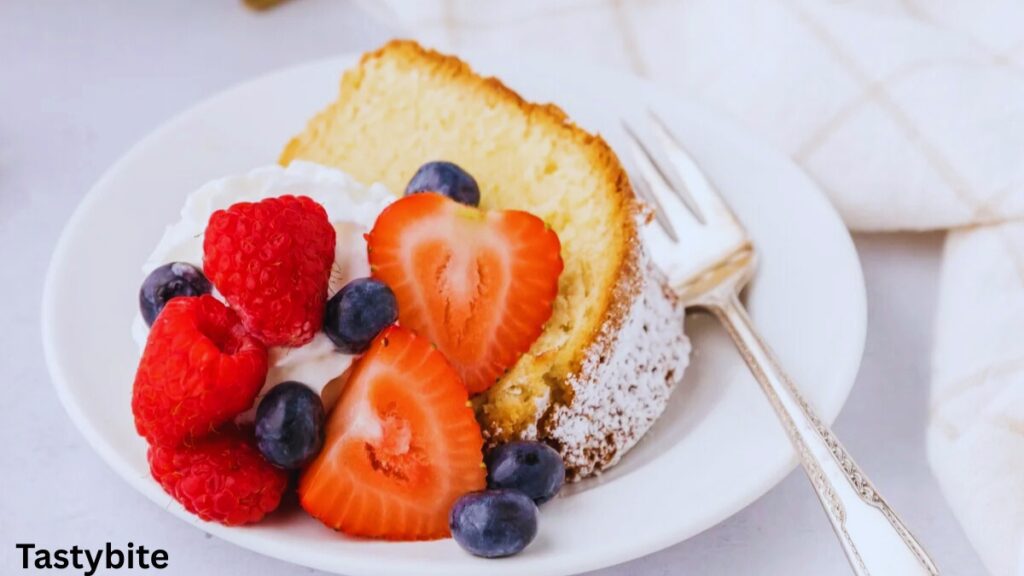
- The cake pairs nicely with fresh berries or whipped cream, though no decorating needed because the flavor shines on its own.
- Compared to a sour cream pound cake, this version feels less complicated while still offering a little something extra.
- If you want to add toppings, do it after baking, since the cake already takes care of itself thanks to the method, it always comes out right.
Ingredients You Need to make Perfect Cream Cheese Pound Cake:
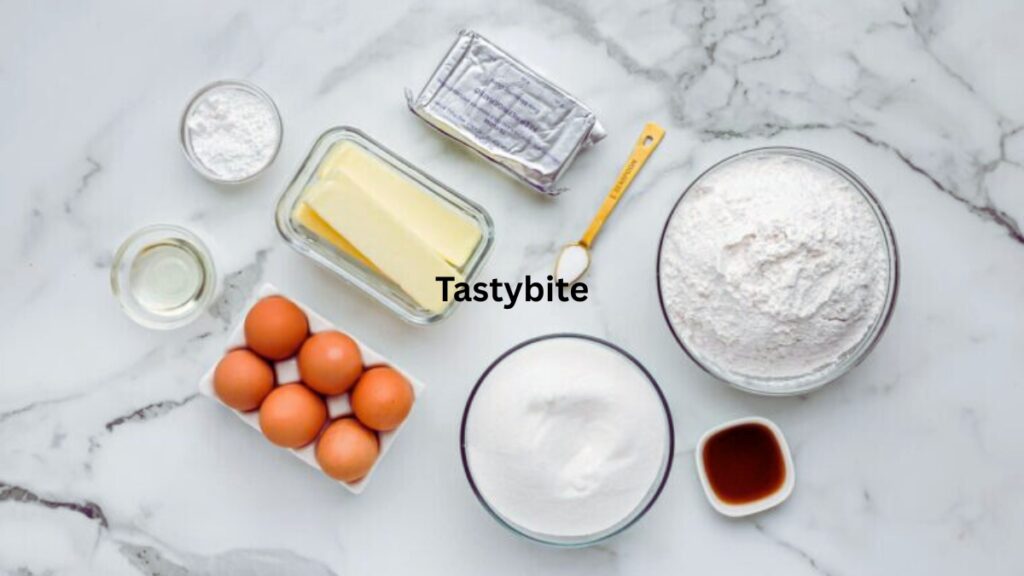
Here is the list of some easily available ingredients you’ll need to make Cream Cheese Pound Cake:
- Butter:
Acts as the base of the pound cake. It uses 3 sticks at room temperature and prevents a heavy cake while helping avoid a dry pound cake. Butter is key to a moist pound cake.
- Cream Cheese:
Essential for cream cheese pound cake structure and richness, it must be full fat and brick style. Avoid spreadable tubs, tubs, and mixed variety packs. The same type used in classic cheesecake, not cream cheese frosting. Using the wrong type can cause dense texture or a brick. - Sugar:
Used to sweeten during creaming. The standard amount is 2 1/2 cups for a large cake, which affects many servings, quantity, and final results. I’ve tested comparison versions where I cut sugar and reduced the number needed. - Eggs:
Eggs are the true workhorse ingredient, providing structure, weight, and richness. Quickly bring eggs to room temperature so they mix easier. They help create silky smooth and velvety batter. This classic pound cake recipe uses 6 eggs, not a dozen, based on developed recipe testing. Proper use reduces cracking and risk of being over-cooked. - Flour:
Cake flour is a lighter flour than all-purpose flour and helps avoid too fine, too dry, or cottony crumb. It supports proper mouth feel. A homemade cake flour substitute works when needed and prevents a dense texture. This is a known fact behind cakes that are actually dry. - Leavening:
Uses baking powder for crumb lift and light texture, avoiding excess leavening agents. It does not rely on baking soda. Only a small pinch is used where it helped and stayed important. Proper leavening prevents a squat cake. - Sour Cream:
An unconventional ingredient in some pound cake recipes, it adds moisture without changing flavor. - Flavor Enhancers:
Vanilla extract and salt improve overall flavor and balance sweetness and richness. - Ingredient Count & Purpose:
These are the basic ingredients. There are a total of eight ingredients in the recipe. Each ingredient function has a specific job and is chosen carefully because each one affects final results. - Pan Preparation:
Always grease and flour the pan really well. Sometimes use shortening for the grease part. This prevents sticking and protects the cake during baking. These techniques were learned through hands-on kitchen testing. - Extra Guidance:
Full overview, ingredients used, and why they matter are shared. The section includes recipe notes, a detailed tutorial, and a video. For the full recipe, scroll down to the bottom of the post.
How to Quickly Soften Cream Cheese:
For How to Quickly Soften Cream Cheese, I want to explain the importance, mentioned above, of bringing cream cheese to room temperature before creaming it together with butter, because when everything is soft, it blends easily, and over the years I’ve tried several ways you can choose from any of the following methods depending on time:
you can submerge it in a large mixing bowl of warm water for about 10 minutes, or use the microwave in 15-second intervals, making sure to leave it out on the counter for 30 minutes to an hour if that’s your preferred method; when I’m in a rush, I place the block between my hands while it’s still in the packaging, then press it back and forth with my palms for 15 seconds until I feel it turn creamy, which takes approximately the same time every bake and gives consistent results.
How to Make the Perfect Cream Cheese Pound Cake:
I’m sure that you are gonna get best results by following the step by step guide to make the perfect cream cheese pound cake:
Step 1: Cream the Base Ingredients:
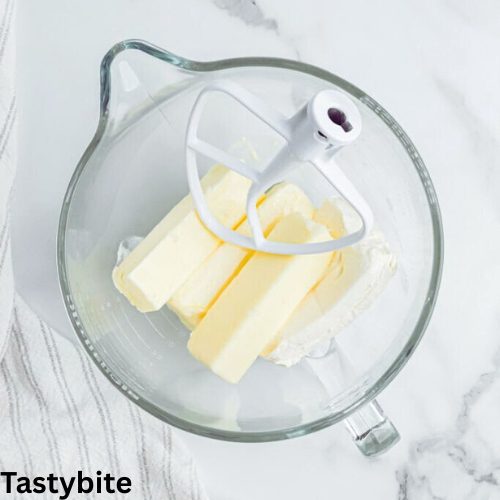
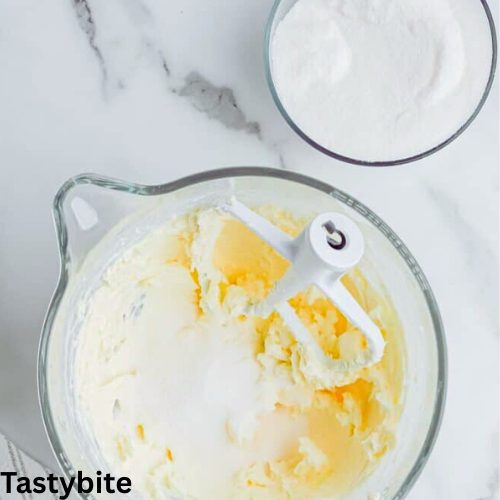
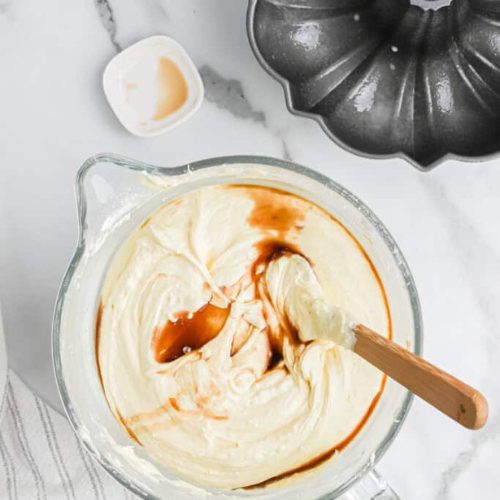
Start the perfect cream cheese pound cake by using the right mixing technique. Beat the butter, cream cheese, and sugar together until a light, fluffy mixture forms. This whipping process incorporates air, which improves cake lift and creates the classic pound cake texture. Always scrape the bowl during mixing, then add the sour cream and vanilla and mix until everything is completely combined.
Step 2: Add Eggs the Right Way:
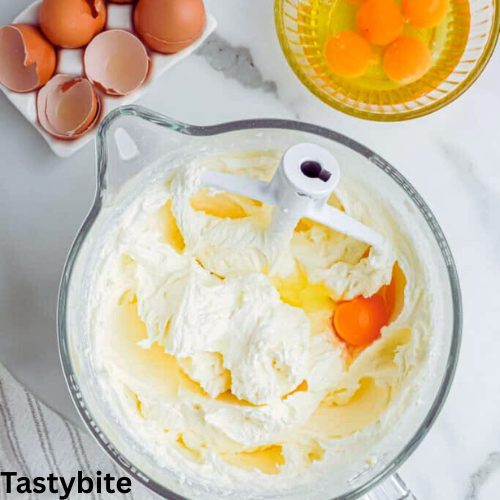
Use room temperature eggs and add the eggs one egg at a time so you get fully incorporated eggs without creating an over-mixed batter. Mix each addition on medium high for 30 seconds, then switch to medium speed for another minute. This keeps the batter super smooth, velvety, and free of no lumps, helping avoid a dense cake or heavy cake.
Step 3: Combine Dry and Wet Ingredients:
In a separate bowl, whisk the dry ingredients, then add them to the wet ingredients in the same mixing bowl. Stir gently just until incorporated, because overworking the mixture at this stage can ruin a simple pound cake.
Step 4: Prepare the Pan and Fill:
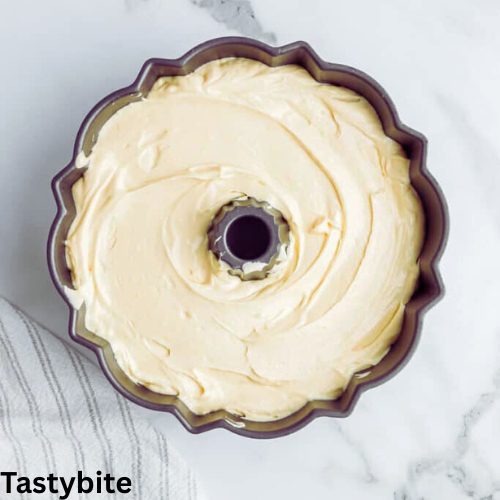
Use a well greased pan, ideally a Bundt pan such as a 10–12 cup Bundt pan or a Nordic Ware Bundt pan, and make sure the floured pan is ready to support the full batter volume. Spread batter evenly into the pan; the thick batter should settle smoothly.
Step 5: Bake with Care:
Bake at the proper bake temperature of 325°F (163°C) for the correct baking time. If the top darkens too quickly, use aluminum foil tenting for over-browning prevention. The cake is done when a skewer inserted into the center comes out clean with moist crumbs and the top is a golden brown cake.
Step 6: Cool and Release:
Allow the cake to rest in the pan for pan cooling during the initial cooling time of 10–15 minutes. Then invert the cake onto a cooling rack and let it cool completely for up to 2 hours before transferring it to a serving plate.
Step 7: Serve Simply or Add Toppings:
Now your Cream Cheese Pound Cake is ready to serve and this cake shines as a simple pound cake with no glaze and no frosting, but it pairs beautifully with whipped cream, fresh berries, raspberry sauce, strawberry sauce, blueberry sauce, lemon curd, or pecan pie cheesecake topping.
How to Make the Perfect Cream Cheese Pound Cake (Video Tutorial):
Here is the step-by-step video guide to make Cream Cheese Pound Cake perfectly:
Tips for the Perfect Pound Cake:
Final success tips start with following the recipe exactly, especially the ingredients and measurements, because a pound cake depends on balance.
So, here are some tips that will help you to make perfect pound cake:
- Always bake low and slow in a cooler oven with a longer baking time of about 90 minutes so a large cake bakes through without becoming a heavy cake.
- Use room temperature ingredients and bring ingredients to room temperature so everything can emulsify, creating a uniformly textured cake instead of one affected by cold ingredients.
- Add eggs slowly, making sure they are fully mixed in before adding next, which is key for a perfect pound cake made with cream cheese and butter for the best texture.
- Measure flour correctly by spoon flour into a dry measuring cup and using a butter knife to level flour for accuracy.
- During the creaming process of cream cheese butter sugar, slowly add sugar and take time, giving 5 minutes to each step, or five minutes, about 10 minutes total, which is truly worth it.
- Do not over mix, especially when adding eggs; once the batter combines, keep minimal mixing to avoid excess whipping air that can cause overflow or make the cake fall.
- Always grease the pan and flour pan using a paper towel with vegetable shortening to coat the entire pan surface, especially a Bundt pan.
- Dust pan with all-purpose flour and shake excess flour, or use homemade cake release made with equal parts flour, vegetable oil, and shortening, brushed on with a pastry brush to create a smooth mixture.
- Using the right pan matters, so choose quality Bundt cake pans, tested pans, or newer cake pans, especially when releasing cake from antique pans.
- After you add batter, remember cake doneness can change because cook time varies by oven and pan type.
- Look for a golden brown top and use the toothpick test so the center clean shows moist crumbs.
- For precision, use an instant read thermometer to check cake temperature, which should be between 208°F and 210°F.
- For storage, use fridge storage and keep the cake in an airtight container, where it can last several months.
Common Pound Cake Mistakes (Avoid These Disasters):
Pound cake disasters often happen when things go wrong due to simple mistakes that waste time and waste ingredients. I shared 2 disasters that I personally experienced while testing this perfect pound cake recipe, proving the method truly matters.
Mistake 1: This mistake was an under-cooked pound cake that was baked at 350°F (177°C).
This temperature too hot caused the butter and eggs to not cook evenly, leading to fast exterior browning while the center cooked poorly.
When cutting the cake, it looked raw inside, leaving me upset because it appeared perfect outside.
Mistake 2: Second mistake was an over-cooked pound cake.
Learning from mistakes showed that baking slower is better, so the next cake was cooked at 325°F (163°C).
Being nervous about an under-bake caused the cake to stay in the oven too long and become over-baked.
The cake wouldn’t release from the pan, even though it was generously greased.
These errors resulted in truly awful cakes that taught exactly what to avoid next time.
What Can I Do If My Pound Cake Sticks to the Pan?
If you’re wondering What Can I Do If My Pound Cake Sticks to the Pan?, don’t panic, because a sticky pound cake that sticks to the pan can often still become a rescue cake if you act calmly and with patience.
First, let the cake cool and respect the cooling time of 15–20 minutes so it can settle and pull slightly from the edges, then run a thin flexible knife or spatula to separate cake from the pan sides; place a plate or wire rack on top, flip to an upside down pan, and gently tap the pan bottom, adding light tap, shake, or shaking motions to encourage cake release.
And if that fails, use steam by wrapping the pan in a damp kitchen towel, letting steam power loosen cake over 10–15 minutes, or try a warm water bath by setting the pan in the sink with hot water touching the bottom of cake to loosen stuck parts, especially where melted sugar causes trouble; as a last option, freeze cake in the freezer for 30 minutes, since the cold helps the cake contract for easier removal, and if it still breaks, turn the pieces into a trifle or punch bowl cake a fix I’ve used more than once in my own kitchen.
Tips for Storing, Freezing, and Thawing Pound Cake:
How to Store Pound Cake:
For storing pound cake, always let it cool completely, because a cooled pound cake holds up better during wrapping, so I wrap it tightly in plastic wrap to lock in moisture and prevents drying, then add aluminum foil or place it in an airtight container or resealable plastic bag to protect cake from air and odors; for short storage, keep it at room temperature in the pantry, in a cool place, dry place, and away from direct sunlight, where it’s best to eat within few days, and while refrigeration allows longer storage of up to a week when well wrapped, I’ve found it can cause a soggy texture, so careful cake preservation really matters.
How to Freeze Pound Cake:
For freezing pound cake, proper prepping for freezing gives the best results, and I always freeze pound cake while it’s a fresh cake, either as a whole cake or when I slice cake into individual portions for easier thawing; use double wrapping by wrapping first in plastic wrap, then aluminum foil for a double layer of protection that helps prevent freezer burn, maintain moisture, and maintain flavor, and always label with the date so you can keep track of the wrapped pound cake and its frozen date, storing it in the freezer, ideally in the coldest part of freezer or back of freezer, where a consistent temperature supports long-term storage.
How to Thaw Pound Cake Properly:
When thawing, remove the cake from freezer storage and keep the wrapped pound cake intact while it comes back to room temperature, which helps avoid moisture loss or texture changes; this works well for a whole cake and for freezing slices, where I wrap slices as individual slices in a single layer, store them in a resealable freezer bag, and simply grab slices as needed, letting them thaw gently so the cake stays tender, flavorful, and never dry.
H2: Frequently Asked Questions About Cream Cheese Pound Cake:
Why is my pound cake dry?
A dry cake often happens when over-baking or over-measuring flour occurs, so always check flour measurement carefully and bake in the correct oven temperature; using an oven thermometer helps avoid a hotter oven that can dry out cake, ensuring a moist pound cake with a tender pound cake texture, even if you’re reducing sugar in any cake.
Can I use self rising flour?
Using self-rising flour instead of all-purpose flour adds extra leavening agents, which can make your pound cake spill over the pan in the oven and create a mess, so it’s best to stick with all-purpose flour for proper flour control and a steady cake rise.
Does cream cheese pound cake need to be refrigerated?
A pound cake can stay at room temperature if you store it properly, wrapped in plastic wrap or an airtight container to prevent dryness and keep moist, but it must be well-wrapped to maintain its soft texture.
Can you use cream cheese in pound cake?
Yes, a cream cheese pound cake starts by cream butter and cream cheese together, then gradually beat in sugar and eggs, two at a time, before you mix flour and vanilla; bake in a preheated oven and use a toothpick test so the cake comes out clean, giving you a perfect pound cake.
What is the secret to making a good pound cake?
The secret to a good pound cake is meticulous creaming of room-temperature butter and sugar, which incorporates air for cake lift, then gently mixing in room temperature ingredients like eggs, flour, cream cheese, and sour cream to avoid overmixing, resulting in a tender crumb, moist cake, and buttery texture; baking low and slow with baking powder ensures it is fully baked, not a dense cake, giving the perfect pound cake every time.