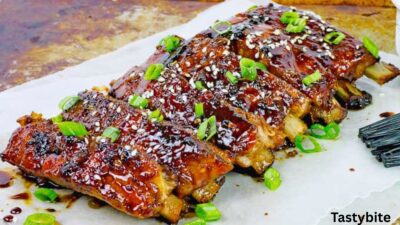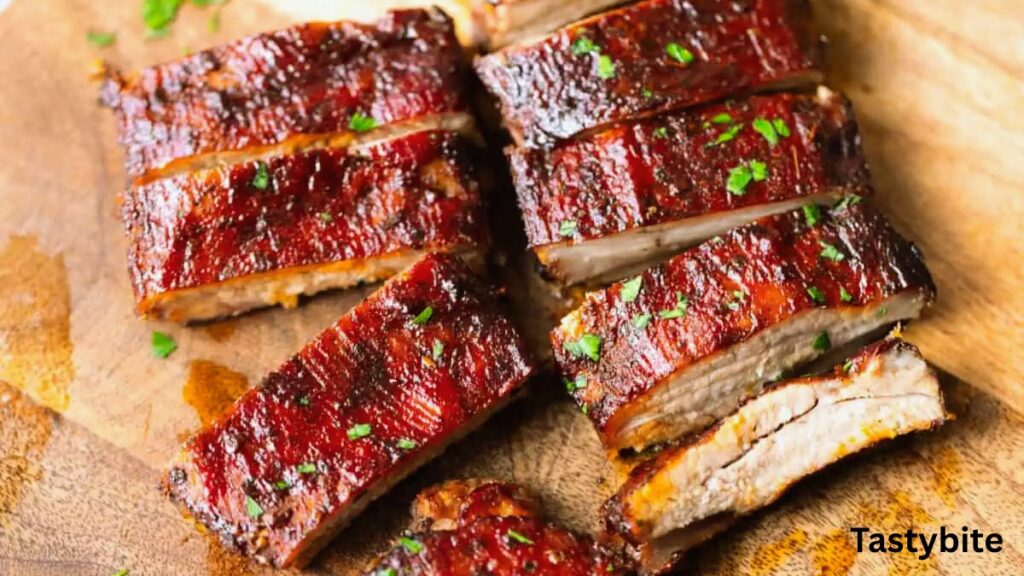
I have made BBQ St. Louis ribs in the oven using a very easy rib recipe that turns out tender, sweet, saucy, and caramelized every time, perfect for game nights, lazy Sundays, and even random Tuesdays with kids and teens, without complicated prep.
Because the ingredients are simple and the 3 ingredient method uses BBQ sauce, honey, and apple cider vinegar that gets basted, brushed, and layered in thin layers for a coating that becomes sticky, glossy, and lacquered finish after bake, also an overnight marinade on ingredients makes everything more sticky, fall off- the-bone, tender meat, and ready on a baking sheet with simple equipment. At the same time, a dry rub is mixed and added as a top layer for better flavor.
The ribs are cooked low and slow for hours at 275 degrees in oven baked style using a low and slow technique and patience, giving deep BBQ flavor and smoky BBQ flavor that even beats the grill, with serious use of foil, baking sheet, and simple equipment for a truly hands off process; the cook time includes just 5 minutes of prep, then everything becomes slow roasted, juicy, tender meat, and fall off the bone, finished with a hot finish of extra sauce that builds a rich caramelized crust, caramelized flavor, and perfectly sticky sauce that feels layered and simple yet always works.
What Are St. Louis Style Ribs?
In my experience making The Best Oven Baked St. Louis Style Ribs, I’ve learned that St. Louis-style ribs come from the rib cage on the belly side, where the cut is trimmed into a neat rectangular rack that feels meatier and more flavorful than many expect.
Unlike baby back ribs, they carry a little more fat, which makes them extra juicy when cooked slowly, because the fat melts in and brings out the deep taste. The name refers cut used, especially after adding the right seasoning sauce, a true barbecue competition classic that you can cook home order restaurant style, whether you choose baby back or go for baby backs, since they give more flavor and are a forgiving cook that is not as harder dry out, which is why they are usually less expensive and perfect for feeding family with rich, satisfying bites.
Why You’ll Love These Oven Baked St. Louis Style Ribs Recipe:
- Easy BBQ St. Louis ribs, made in the oven using oven baked St. Louis style ribs, are simple, easy, and perfect for cooking ribs over the years, even if you’re new to this recipe and want something truly loved.
- These ribs turn out tender, juicy, and fall off-the-bone because they are cooked low, slow, for hours at 275 degrees, using a full bake, 2-hour babysitting, with foil seal, aluminum foil, steam, collagen, and locked moisture, unlike baby backs.
- You get deep sweet, saucey, big flavor, and flavorful bites with dry rub, honey, apple cider vinegar, BBQ sauce, sauce, layers, thin brushes, and a final stage of baking that creates a glossy, sticky finish, beautifully caramelized, and caramelized result like a BBQ joint, whether from smoker or grill.
- This is a simple technique that needs patience, not complicated, roasting, or stress. There is no complicated prep, no overnight marinades, just 3 ingredients, and a foolproof oven secret method that works every time with easy cleanup.
Ingredients & Substitutions for Baked St. Louis Ribs:
These are Ingredients & Substitutions you’ll need for Baked St. Louis Ribs
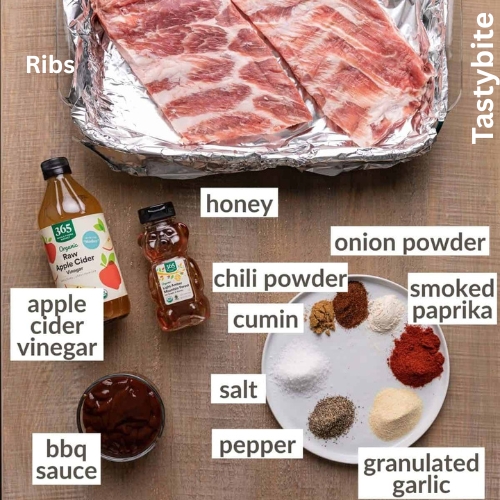
- St. Louis ribs / Saint Louis ribs (rack, cut, 3 to 4 pounds)
Use a full rack of St. Louis ribs (also called Saint Louis ribs) weighing about 3 to 4 pounds. This cut is the best fit for oven baked results and gives enough pieces for a full meal. You only need this main ingredient for a strong flavor. - Membrane / Silver Skin (remove step)
Always remove the membrane or silver skin from the back of the ribs so the meat can fit better in the pan and cook evenly in the oven. - Dry Rub (key flavor base)
The dry rub is made with paprika, garlic powder, cayenne, oregano, salt, black pepper, and brown sugar. This mix builds deep flavor before adding sauce. - BBQ Sauce / Barbecue Sauce (finishing layer)
Use your BBQ sauce or barbecue sauce for coating and glazing. It pairs perfectly after baking and adds sticky richness. - Favorite Brands (substitution options)
You can use Stubbs, Jack Daniels, or Sweet Baby Ray’s, or any of your favorite brands and favorite sauces depending on taste. - Oven (main cooking method)
The oven is the key tool for this recipe, helping the St. Louis ribs become tender, juicy, and evenly baked with simple ingredients.
How to Make St. Louis Ribs in the Oven (Step-by-Step):
Let’s get quickly start how to make Oven Baked St. Louis Style Ribs but before this here is a quick review:
Quick Overview:
- Preheat the oven, season ribs with dry rub, then wrap foil and bake 275 degrees for about 4 hours so they turn tender and juicy.
- After baking, remove foil and cook uncovered, then baste to build flavor and moisture on the surface.
- Finish by broil to get a caramelized, glossy top with rich taste and perfect texture.
Now move towards step-by-step making process of ribs:
Step 1: Prep and Season the Ribs
Start with St. Louis ribs (or a rack of ribs). First, remove silver skin / membrane using a butter knife and paper towel so the meat cooks evenly. Let the oven preheat, then season ribs well on the meat side with a mix of salt, pepper, garlic, paprika, cumin, and onion powder. This creates a rich dry rub that builds the base flavor for the whole baking process.
Step 2: Wrap and Slow Bake
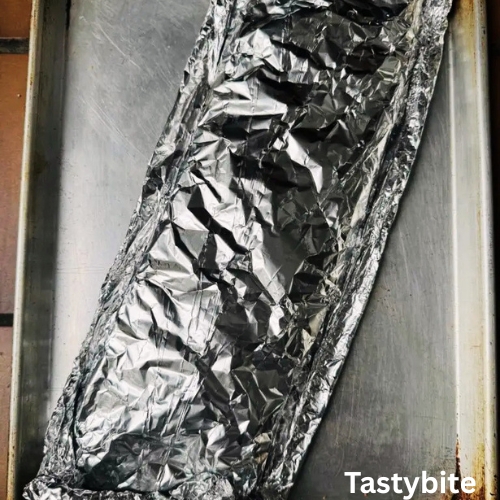
Place the ribs in a large pan lined with aluminum foil. Wrap tightly with foil so they are completely covered and locked in moisture. Bake at 275°F for about 2½–3 hours using a slow cooking method. During this time, the collagen breaks down, making the meat fork tender and easy to pull cleanly from the bone.
Step 3: Sauce and Caramelize
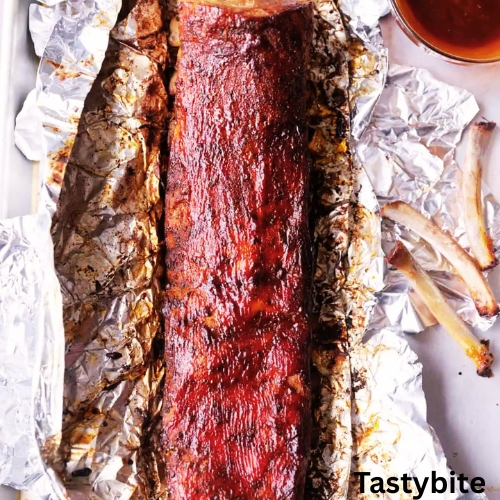
Carefully unwrap the ribs and lift the top layer. Combine vinegar and honey and brush it over the surface in a thin layer. Then increase heat to 350°F–375°F and return the ribs to the oven uncovered. Let the sauce bubble and develop dark spots, creating a sticky caramelized crust with a rich, glossy finish.
Step 4: Broil and Finish
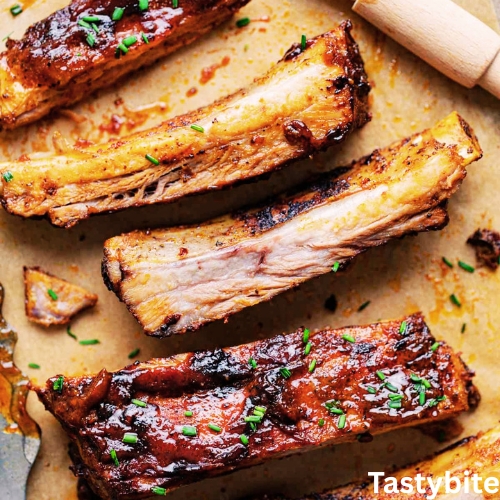
Finish with a quick broil on high (1–2 minutes) for deeper color and extra caramelization. Watch closely so it doesn’t burn. Once done, let the ribs rest, then serve with barbecue sauce and optional pan drippings for extra flavor.
What Temperature to Bake St. Louis Ribs:
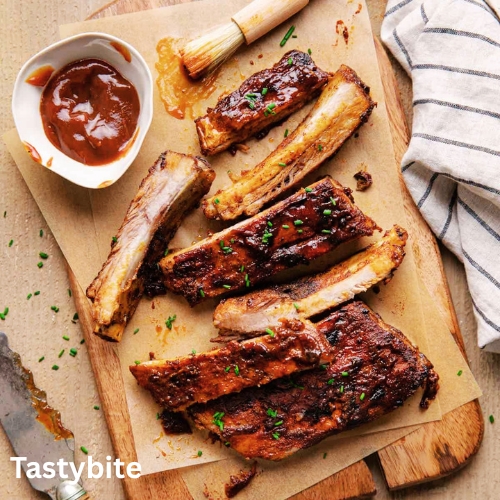
When making St. Louis ribs in the oven, I always bake them at a low and slow temperature of 275°F so the connective tissue can break down and the ribs become tender, ultra juicy, and fall-off-the-bone, just like the best recipes, and for even more especially tender results you can use a slightly lower temperature range of 300–325°F, while in the final stage I use an increased temperature of 350°F (a slightly higher heat) so the BBQ sauce can caramelize into a glossy, sticky finish. You can also try Chicken Tetrazzini Casserole and Fried Catfish Nuggets.
Grill Option (Up to personal choice):
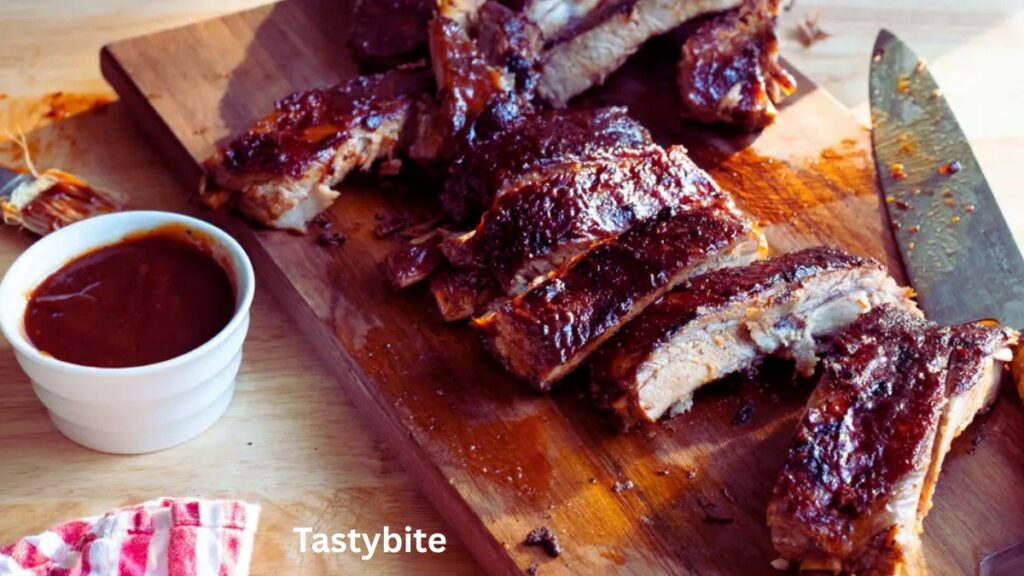
After using the oven method with St. Louis ribs, you can switch to a grill option for extra color, texture, and a light charred, grilled finish by first finishing the foil bake in the oven and then carefully transfer the ribs bone side down onto a medium hot grill at about 350°F, where you add a final finish layer of BBQ sauce and let it caramelize for 5–8 minutes, so the heat helps build a perfect grilled finish while improving tenderness, locking in cooking method results from the bake, and creating a guaranteed rich color, smoky texture, and deep caramelize effect that completes this temperature based finish.
How to Tell When St. Louis Ribs Are Done in the Oven:
When St. Louis ribs are baked in the oven using a low and slow method, they are done when the meat pulls back from the bones and about ½ inch bone exposed shows, which is a clear sign of rib doneness in oven baked ribs. Inside the foil, you will see juices pooled at the bottom, and the ribs should feel tender, fork tender, and moist, and they should gently wiggle and move easily when tested, showing they are ready for the sauce layering stage. A final test is when the meat has the right texture and all indicators match, confirming perfect doneness.
Can I Use Baby Back Ribs Instead?
Yes, baby back ribs can be used instead of St. Louis ribs in this oven method, and this substitution works beautifully because both rib types respond well to the same low-and-slow technique in the oven, but baby back ribs are smaller, leaner, and cook faster, often reaching fork-tender tenderness around the 2½-hour mark compared to St. Louis ribs. In this comparison, you may notice a slightly different texture and lighter flavor, but with proper seasoning, foil wrapping, and sauce layering, you still get caramelized ribs with great results, especially when the meat pulls back from the ends of bones, and this method works beautifully every time, keeping cooking time and results consistent across both rib types.
Expert Tips & Variations:
- Dry surface and strong rub technique
Start by patting St. Louis ribs dry with paper towels so moisture does not dilute flavor, then firmly press rub with hand pressure so it sticks and adheres well; this improves texture, flavor, and overall crust formation during the low, slow, layered cooking method. - Foil wrapping for moisture control
When wrapping foil, use another piece of foil so the ribs are completely covered and juices cannot escape, trapping steam that keeps the meat tender, while basting with honey, vinegar, or optional hot sauce / liquid smoke adds sweetness, acid, and a light smoky flavor boost to balance the pork. - Perfect doneness and finishing heat
Use a meat thermometer and cook until 190–200 degrees (88–96°C) so collagen breaks down into super tender, fall-off-the-bone tenderness; let it rest 5–10 minutes, then broil for a caramelized, slightly charred sugar crust with black spots, watching closely to avoid burning. - Expert variations for best results
Choose well-marbled ribs, avoid dry edges, and adjust variations like spicy rub, sweet sauce, or smoky kick for better flavor balance; in crowd cooking, a double batch works best since they disappear fast every single time, especially with thin coat BBQ sauce, proper sauce layering, and careful serving step for the best flavor, texture, and cooking result.
Watch how to make Oven Baked St. Louis Style Ribs:
What Is the Difference Between St Louis Ribs and Baby Back Ribs?
The main difference between St. Louis-style ribs and baby back ribs comes from the meat cut on the pork ribs, where St. Louis-style ribs are taken from below the pork belly area, making them larger, more uniform, and flatter in structure, while baby back ribs are leaner, smaller, and more tender with a lighter fat content that affects flavor, richness, and overall texture in the cooking result. In this comparison of rib types, St. Louis-style ribs give a meatier bite and are often less expensive, while baby back ribs are known for their fall off the bone tenderness, so the best choice depends on your preference, especially when making oven baked St. Louis-style ribs.
Storing and Reheating Leftovers in the Oven:
How to store:
To keep leftover ribs fresh, first store them in an airtight container and place in the refrigerator / fridge for 3–4 days so the flavor stays good.
Reheating the ribs:
When ready to reheat, place ribs in a baking dish, brush with sauce or melted butter, cover, and warm in the oven at 275 for 30–45 minutes until fully heated through for best texture.
FAQs about Oven Baked St. Louis Style Ribs:
Why do you bake ribs covered and uncovered?
In the covered portion of the baking process, the ribs are just steaming, which allows them to become tender while they still remain moist, and in the uncovered portion, caramelization begins, so you do not uncover too early because it is basically the balance between slow moisture cooking and surface browning.
Why are the ribs not tender?
If St. Louis ribs are not tender, it is likely they did not cook enough and were not cooked longer until 190 degrees, because the collagen needs more time to break down in the ribs to achieve tenderness as mentioned above, while baby back ribs may reach similar tenderness faster but still needs cook properly for the same result.
What temperature do you cook St Louis ribs?
I always recommend cooking ribs at 275 degrees using a low and slow method in the oven because it helps the meat stay tender while it cooks evenly; going higher can cause the ribs to dry out, which is why this steady temperature gives the best results when you cook St. Louis ribs.
Do spare ribs take longer than baby back ribs?
Yes, as mentioned above, spare ribs take longer than baby back ribs because they have more meat and fat around the bones, so they need extra time to reach the same tenderness; this is why they usually cook longer in the oven to get the same soft result.
Do ribs get more tender the longer they cook?
Yes, there is a sweet spot where ribs become more tender as they reach the point where collagen break down, but if you go past it they can lose moisture and become completely over cook and even technically overcooked, so in pork ribs you need to sense the right time rather than going too far beyond 145 degrees, because that balance is what they truly need for best texture.
Can I make these ahead?
From my kitchen, yes, you can bake the ribs fully, including the sauce, then let them cool completely, wrap tightly in foil, and refrigerate for up to 3 days.To serve, reheat in a 300°F oven for 20–25 minutes until warm, then add a fresh brush before serving.
What’s the best BBQ sauce for St. Louis ribs?
In my experience, a sweet tomato based sauce works best with a dry rub as it caramelizes nicely in the oven. I always avoid thin, vinegar forward sauces since they reduce quickly in dry heat and turn bitter, so check a good Keto BBQ Sauce recipe for better balance.
Which is the best way to cook ribs in the oven?
I always bake the ribs low and slow at 275°F for 2 ½ to 3 ½ hours until perfectly tender, then finally get them ready for serving. I slather the baked ribs with my favorite barbecue sauce, then broil or grill for a few minutes until the sauce bubbles, caramelizes, and adds a crispy bit.
What are some common mistakes when cooking oven ribs?
From what I’ve seen, under seasoning the ribs, skipping membrane removal, or when someone forgot to remove the membrane, the ribs feel bitten and chewy during cooking. Also, chances are high that thoughts like cooking too fast, overcooking, or missing the resting step can ruin texture and flavor.